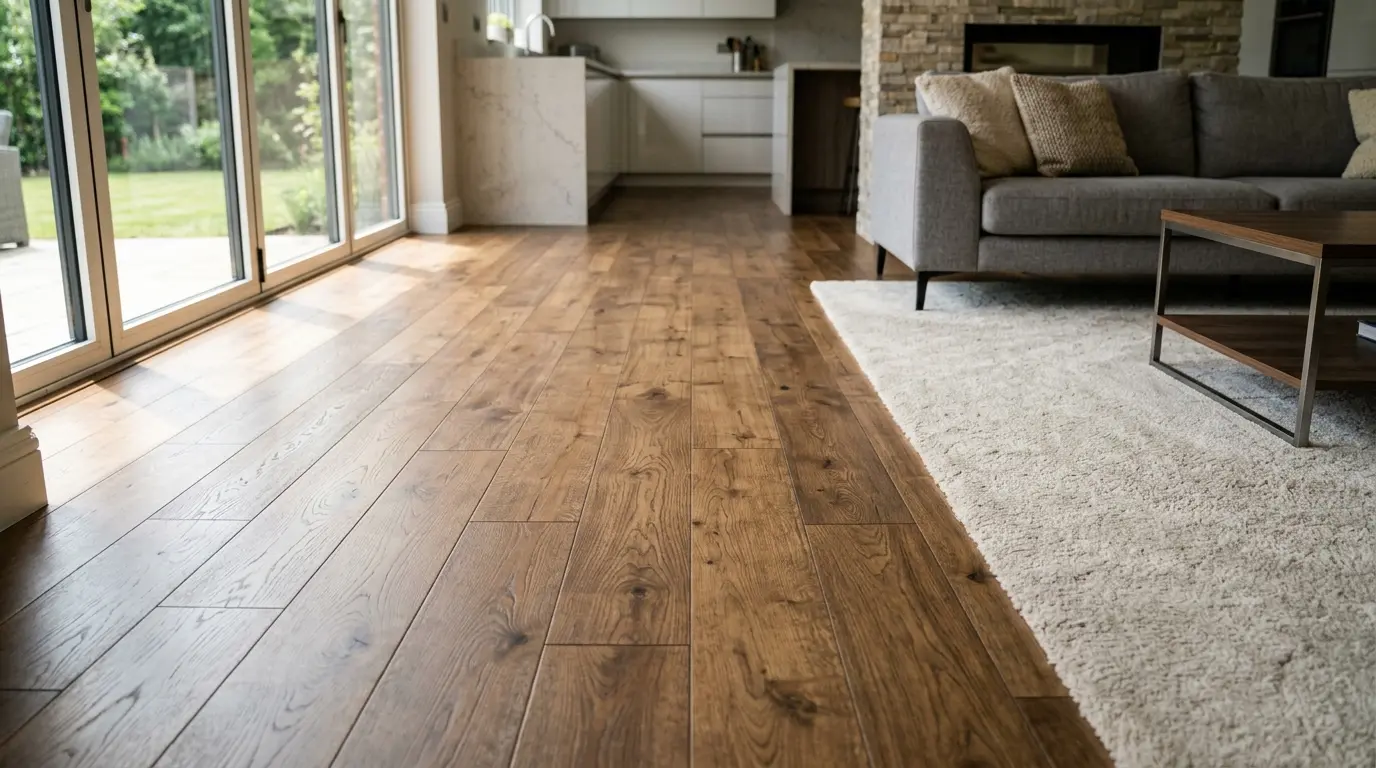
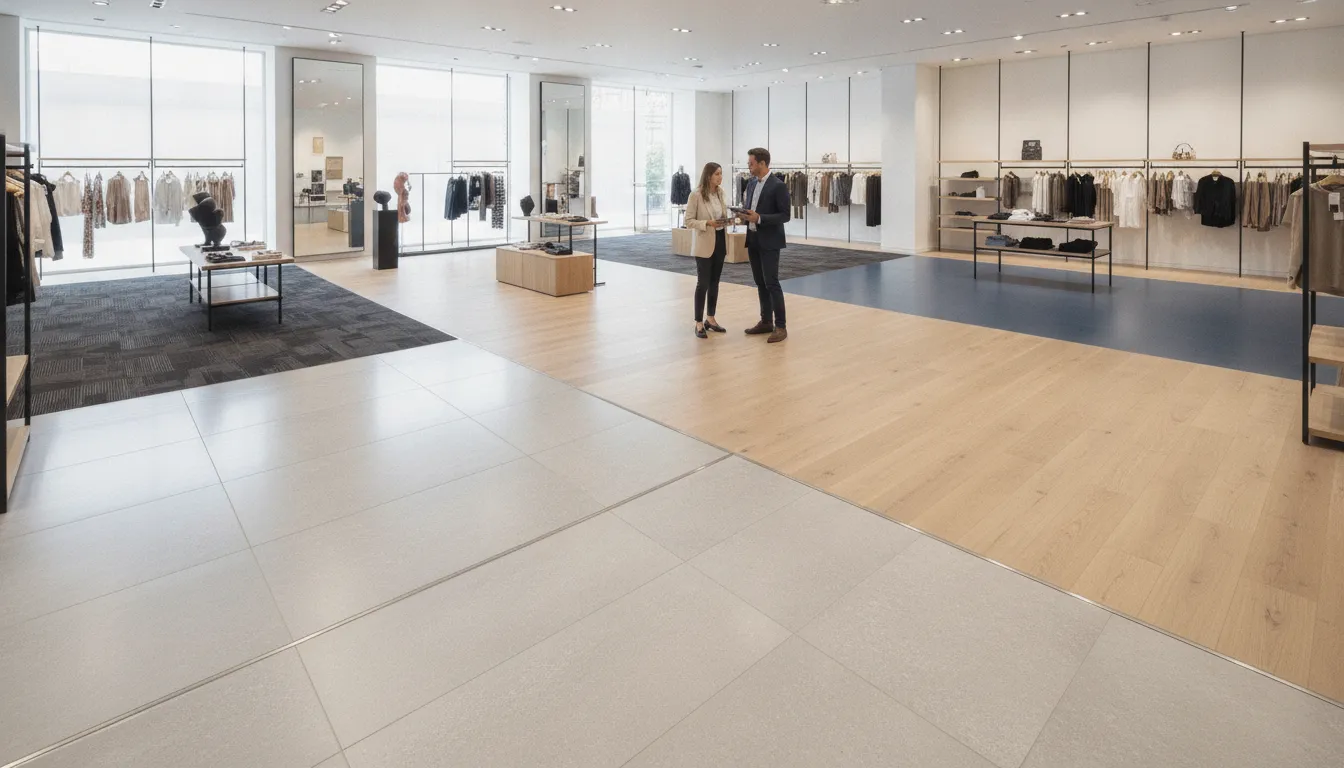
From rain-soaked entrances to busy checkout lanes, each part of a retail store puts different demands on the floor. That’s why the best flooring for retail stores isn’t always one material used everywhere. A water-resistant surface may suit an entrance, while carpet tiles could help soften sound in a fitting room or service area. Stockrooms may need to handle carts and heavier loads. Walk through your store and note where customers pause, where staff move equipment, and where spills are most likely. These practical details can help you choose flooring that fits each zone, plan safe transitions, and avoid paying for features your store does not need.
Key Takeaways
- Choose flooring by zone: Match each material to the area’s traffic, moisture, rolling loads, comfort, and cleaning needs.
- Budget for the complete project: Include floor removal, subfloor preparation, transitions, ongoing care, and possible store closures.
- Plan installation and upkeep early: Request a site assessment and itemized estimate, then schedule work and maintenance to limit disruption and keep floors safe.
What Should You Consider When Choosing Retail Flooring?
Retail flooring needs to do more than support your store’s look. It should suit customer and staff traffic, handle everyday wear, support safe movement, and fit your cleaning plan and budget. Consider how each area is used before settling on a material.
Assess Foot Traffic, Loads, and Wear
Start by identifying the busiest parts of your store. Entrances, main aisles, checkout counters, and paths to fitting rooms often see more traffic than display corners or offices. Account for rolling loads, too: shopping carts, delivery dollies, and stock carts can scratch or dent surfaces, especially if wheels are damaged or debris gets trapped beneath them.
A floor that works in a small boutique may not be suited to a busy grocery or hardware store. Look for products designed for commercial use, and ask how they perform under the conditions in your space. Retail flooring guidance recommends matching a floor’s durability and maintenance needs to daily traffic. An on-site assessment can also identify areas that may need a more durable material or subfloor preparation.
Check Slip Resistance, Spills, and Transitions
Think about what could reach the floor and where. Rainwater near entrances, spills in food or beauty departments, and cleaning products can make some surfaces slippery. Choose a finish with suitable traction for the area, and set a clear routine for cleaning spills. Flooring choices can support safety, but they work best alongside regular upkeep and prompt responses to hazards.
Plan transitions between flooring types with care. Raised edges, loose strips, or abrupt height changes can catch a shoe or cart wheel. Use secure, smooth transitions at doorways, thresholds, and changes between customer areas and back rooms. Entrance mats can help collect water and dirt before they spread through the store. Ask your installer to review transitions and wet-weather areas as part of the project, since safe performance depends on the material, installation, and ongoing care.
Weigh Comfort, Fatigue, and Noise
Consider how long employees spend standing or walking during a shift. Hard surfaces such as tile and concrete can be durable, but may feel tiring underfoot over time. Luxury vinyl tile (LVT) and carpet tiles can offer a softer feel in some settings. Retail flooring comparisons include comfort among the factors to weigh when staff are on their feet for much of the day.
Sound is another part of the shopping experience. Footsteps, carts, and conversations can make a busy store feel loud, especially in spaces with hard surfaces. Carpet tiles may help soften sound in fitting rooms or service areas, while underlayment can influence the feel and acoustics of some flooring systems. Consider where customers speak with staff and where carts need to roll freely, then choose materials that suit each area.
Plan for Cleaning, Repairs, and Downtime
Check the care requirements for each option before choosing a floor. Some surfaces need regular sweeping and damp mopping, while others may call for periodic polishing, sealing, or refinishing. In an active store, even routine maintenance can disrupt business if it requires staff to clear displays or close an aisle.
Think through repairs as well. Individual carpet tiles or sections of some resilient flooring may be easier to replace than a large continuous surface. Ask whether matching material will be available if a section is damaged. Compare the initial installation price with expected cleaning, repairs, and any business interruption. ValorCraft’s commercial flooring services include installation and related preparation, which can help you plan work around the needs of your space.
Balance Budget, Layout, and Brand Style
Build a budget that includes more than the flooring material. Removing the existing floor, preparing the subfloor, installing trim, and fitting transitions can all affect the total. Layout matters, too. A compact store with many corners, fixtures, or changes in direction may require more detailed work than an open sales floor.
Then consider how color, texture, and pattern fit your brand and merchandise. Flooring can help define customer areas or distinguish the sales floor from back-of-house spaces, but appearance should work alongside traffic, cleaning, comfort, and safety requirements. There is no one option that suits every store. Compare commercial flooring types based on the needs of your space, and request a clear estimate that reflects its layout and existing floor conditions.
Which Flooring Options Work Best in Retail Stores?
The right flooring for a retail store depends on how each area is used. An entrance needs to handle tracked-in water, grit, and steady foot traffic. A sales floor may need a comfortable, easy-to-clean surface that works with your displays and brand. Stockrooms and checkout areas bring different demands, such as rolling carts, heavier loads, and long hours on your feet.
Before choosing a material, consider more than its appearance and starting price. Think about foot traffic, moisture, slip resistance, cleaning routines, repair needs, and how installation might affect store operations. A floor that performs well in one area may not be the best fit everywhere. For example, carpet tiles may help quiet a fitting room, while a water-resistant surface could make more sense near the entrance.
Each option has benefits and trade-offs. Review product specifications, including wear ratings and maintenance requirements, and ask an experienced installer to assess the existing floor and subfloor. For more detail on common commercial materials, Star Lumber’s guide to commercial flooring compares several popular choices. ValorCraft Flooring provides commercial flooring services for businesses across North Carolina.
LVT: Flexible Design, Water Resistance, and Comfort
Luxury vinyl tile, or LVT, is a versatile choice for many retail sales floors. It comes in a wide range of colors and patterns, including styles that resemble wood or stone. That makes it easier to coordinate the floor with your displays, fixtures, and overall store design. LVT is water-resistant and simple to clean, which can be useful in busy areas where spills or tracked-in rain are possible.
LVT is also softer and quieter underfoot than tile or concrete, a potential benefit for employees who spend much of the day standing or walking. Performance varies by product, so check wear ratings and care instructions before selecting a style. Star Lumber’s commercial flooring guide describes LVT’s design range and comfort advantages.
Porcelain Tile: Durability, Easy Cleaning, and Grout Care
Porcelain tile can suit high-traffic areas and spaces where floors are likely to get wet. It is durable, resists water and stains, and comes in a wide range of colors, patterns, and finishes. These qualities make it worth considering for entrances, food-related retail spaces, or other areas that need frequent cleaning.
Tile is hard and cold underfoot, which may be tiring for staff who stand for long periods. Grout also needs regular cleaning to prevent dirt buildup and keep the floor looking fresh. Installation costs can be higher than some alternatives, particularly when the layout requires detailed cuts or substantial preparation. Block Renovation’s overview of retail flooring explains the durability and care considerations associated with porcelain tile.
Polished Concrete: Longevity, Sealing, and Slip Risks
Polished concrete creates a clean, modern look that can work well with industrial or minimalist store designs. It can handle heavy foot traffic, and a properly sealed surface generally needs less routine care than a floor that requires waxing. Its reflective finish may also help distribute light throughout the sales area.
Concrete is hard and cold, so it may feel uncomfortable for employees working long shifts on their feet. The surface can also become slippery when wet. Ask your installer about appropriate sealing and grip treatments, especially near entrances, drink stations, or other spill-prone areas. Block Renovation’s retail flooring guide outlines the durability benefits alongside comfort and slip-resistance considerations.
VCT: Lower Upfront Cost and Ongoing Waxing
Vinyl composition tile, or VCT, is an affordable option for covering large areas. It is water-resistant and made up of individual tiles, which can be practical for stores with broad, straightforward floor plans. VCT generally offers fewer design choices than LVT, so it may be a better fit when function and initial cost matter more than a particular wood- or stone-inspired look.
Factor ongoing care into your budget. VCT typically needs regular waxing and polishing to maintain its appearance, adding labor and maintenance costs over time. Consider whether your staff can schedule this work without interrupting business, or whether you’ll need outside cleaning support. Star Lumber’s commercial flooring guide covers VCT’s affordability and recurring care needs.
Carpet Tiles: Softer Acoustics, Replaceable Sections, and Stain Care
Carpet tiles can make fitting rooms, customer-service areas, and other dry sections of a store feel softer and quieter. They absorb sound, which may help reduce noise in spaces with hard floors and frequent customer activity. Since the flooring is installed in separate sections, a damaged tile can often be replaced without removing the entire floor.
Carpet still needs regular attention. It can stain, so plan for frequent vacuuming and periodic deep cleaning to keep it presentable. It is also not a good choice for areas that regularly get wet, such as entrances during rainy weather. Think about where spills are most likely and whether staff can respond promptly. Star Lumber’s flooring guide details carpet tile’s acoustic benefits and cleaning requirements.
Laminate: Style and Value, with Moisture Limits
Laminate can provide the look of wood or stone at a lower material cost than many natural options. Its surface resists scratches, many stains, and fading. Some products use a click-lock system, which can make installation more straightforward, depending on the space and subfloor.
Moisture is the main limitation: laminate is not fully waterproof, and water that reaches seams or edges can damage it. That makes it less suitable for wet-weather entrances, spill-prone areas, or spaces that require frequent wet cleaning. Review the product specifications and care instructions, then consider laminate for a dry area with predictable conditions. ValorCraft Flooring offers laminate installation as part of its flooring services in North Carolina.
How Do Retail Flooring Options Compare?
Retail flooring should stand up to daily use while staying safe, attractive, and manageable to clean. Compare options based on the conditions in each part of your store, not just how a sample looks. Entrances, checkout lines, fitting rooms, and stockrooms can all place different demands on a floor.
Your operating schedule matters, too. A store with limited time for installation or repairs may need a plan that keeps disruption to a minimum. The comparisons below can help you weigh durability, maintenance, safety, and cost before choosing a material.
Compare Durability in High-Traffic Areas
In busy aisles and checkout areas, consider how flooring will hold up to foot traffic, carts, displays, and dropped items. Porcelain tile resists water and stains and works well in heavily used areas, though grout needs regular care. LVT offers a resilient surface in a range of styles, while VCT can handle heavy use with ongoing maintenance. Properly prepared and sealed polished concrete can also be a durable option.
No flooring material is indestructible. The right choice depends on traffic, moisture, and how each area is used. Retail flooring guidance recommends considering durability alongside safety, cleaning needs, and appearance. An installer can assess the existing floor and subfloor, then help identify materials that suit your store’s conditions.
Compare Routine and Deep Cleaning, and Refinishing
Vinyl flooring, including LVT, is generally straightforward to maintain with regular sweeping and mopping. Tile resists stains, but grout may need deeper cleaning. VCT often requires periodic waxing and polishing to protect its finish. Carpet tiles need regular vacuuming and prompt care when spills occur. Laminate also needs careful moisture management, since standing water can damage it.
Ask what each material will need beyond daily cleaning. Find out whether deep cleaning, resealing, or refinishing calls for special products or temporary closures. Vinyl’s resistance to marks and stains can make it a practical choice for busy retail spaces, as described in this retail flooring guide. Follow the product maker’s care instructions to help keep the floor looking its best.
Compare Repairs and Replacement Disruption
A damaged floor can affect how customers see your store and how smoothly it operates. Carpet tiles offer a convenient repair approach because you can replace affected sections rather than the whole floor. Individual LVT planks or tiles may also be replaceable, though finding a match can be difficult if the product is no longer available. Tile repairs can involve removing grout and damaged pieces, while polished concrete may need patching and renewed sealing.
Installation time is another factor in your plan. A small project may take a few days, while a large or complex job can take several weeks. The commercial flooring overview explains that timelines depend on project scope. Ask your installer about material availability, repair options, and whether the work can be phased to limit disruption.
Compare Safety, Comfort, and Acoustics
Choose flooring with the conditions in each area in mind, especially near entrances where rain may be tracked inside or in spots where spills are common. Surface texture and finish can affect traction, so ask how the material performs when wet and what care helps maintain it. Also consider transitions between different flooring types to help create stable, easy-to-cross surfaces.
Comfort and noise can shape the experience for both shoppers and staff. Softer options such as LVT and carpet tiles may feel more comfortable for employees who stand for long periods. Carpet tiles can also absorb some sound, while hard surfaces may make footsteps and rolling carts more noticeable. Retail flooring recommendations highlight the value of balancing safety, comfort, and durability. Consider how customers and staff use the space throughout the day.
Compare Upfront Costs and Long-Term Value
The initial material price is only one part of your flooring budget. Include installation, removal of old flooring, subfloor preparation, transitions, and routine maintenance when comparing options. VCT may cost less upfront, for example, but regular waxing adds to its long-term care. A material with a higher initial price may offer value if it needs fewer repairs or less frequent maintenance.
Also factor in installation time and the effect of closing or limiting access to parts of the store. Faster work and easier care can help reduce disruption to business operations. There is no single best flooring choice for every retailer: budget, foot traffic, safety, appearance, and cleaning needs all play a role. Review the full project scope and ask for a clear commercial flooring estimate before you decide.
How Should You Match Flooring to Each Store Area?
A retail store puts different demands on different parts of the floor. The entrance collects rain, dirt, and grit. Sales areas see steady foot traffic and shifting displays, while stockrooms handle deliveries, carts, and heavier loads. You can use one material throughout, but first compare each zone’s traffic, exposure to spills, cleaning needs, and design goals.
Walk through the store and note how each area is used during a typical day. Where do customers pause? Where do employees move carts? Which spots are most likely to get wet or need frequent cleaning? These details help narrow down flooring options and make it easier to plan where different materials might meet.
Transitions deserve attention, too. Changes in floor height or exposed edges can catch shoes and wheels, especially near doorways and busy paths. Include transitions in the flooring plan from the start, rather than treating them as a small finishing detail.
A flooring contractor can inspect the existing surface and subfloor, then recommend materials suited to the layout and daily use. ValorCraft Flooring offers commercial flooring services across North Carolina, including installation and subfloor preparation. A zone-by-zone plan helps you balance practical needs with the shopping experience you want to create.
Choose Flooring for Entrances and Wet-Weather Zones
Entrances face water, mud, and grit tracked in from outside. Choose a surface that is easy to clean and provides stable footing. Textured finishes may help reduce slipping, but no flooring can eliminate risk when it is wet. Secure mats so they lie flat, and make sure staff can clean up moisture and debris quickly.
The best choice depends on how much traffic the entrance gets and how often your team can maintain it. Ask your installer how the flooring performs when wet, whether it needs a special finish, and what cleaning routine it requires. Retail flooring guidance also recommends considering slip resistance and comfort in busy areas. Include the entrance in your site assessment so the flooring and mat placement work together.
Choose Flooring for Sales Floors, Walkways, and Checkout Counters
Sales floors and checkout areas handle frequent foot traffic, display fixtures, carts, and occasional spills. Look for a durable surface that is easy to clean, stable underfoot, and suited to your store’s appearance. Luxury vinyl tile, porcelain tile, and polished concrete are options to compare, but performance depends on the product, finish, installation, and care.
Give walkways and checkout queues extra attention. Customers often pause or turn in these areas, so an even surface and a finish suited to the conditions can support safer movement. Think about how displays may shift over time, too. Commercial retail flooring recommendations suggest weighing safety, durability, cleaning, comfort, and design together. Share your floor plan and maintenance routine with an installer to help identify suitable materials.
Choose Flooring for Fitting Rooms and Customer-Service Areas
Fitting rooms and service counters invite customers to pause, so comfort and atmosphere matter along with durability. Choose colors and patterns that complement the walls, lighting, fixtures, and merchandise. A subtle change in pattern or texture can distinguish a fitting-room area, while a coordinated surface can make the whole store feel cohesive.
These spaces still need to withstand everyday wear and regular cleaning. Consider whether the floor will show dust, scuffs, or dropped items, and ask what care the material requires. If customers stand at a counter for several minutes, discuss comfort underfoot with your flooring professional. Retail showroom flooring advice recommends matching the floor to the store’s intended mood and using pattern or texture to define areas. Bring samples into the space to see how they look in its actual lighting.
Choose Flooring for Stockrooms and Back-of-House Spaces
Stockrooms and work areas have different needs from customer-facing spaces. Carts, equipment, deliveries, and frequent loading can put extra stress on the floor. Spills and cleaning products may also affect certain materials. Choose a surface based on the actual loads and conditions in the space, rather than assuming the sales-floor material will perform just as well behind the scenes.
For areas exposed to impact or chemicals, ask whether a commercial coating or another specialized system is appropriate. Commercial flooring guidance notes that epoxy can suit some demanding industrial and kitchen environments. The right choice depends on the substrate and how the space is used. Have a contractor assess the existing floor and subfloor, explain any preparation work, and outline the maintenance required before you decide.
Separate Zones with Safe Transitions
Different flooring can help distinguish a sales area from a fitting room or stockroom, but the meeting point needs careful planning. A transition strip or threshold should fit the materials’ thicknesses and create a smooth, secure change in surface. Poorly fitted edges can catch shoes or cart wheels, so include transitions in the installation plan from the outset.
When possible, keep material changes out of the busiest paths. Pay special attention to doorways, checkout lanes, and accessible routes, where customers and staff need a clear, even surface. Ask your installer how each transition will be secured and whether it will be easy to clean and maintain.
No single flooring type suits every store area. Compare traffic, safety, maintenance, and design needs before choosing materials for each zone. A site assessment can help confirm that the surfaces, thresholds, and transitions work together.
What Does Retail Store Flooring Cost?
Retail flooring costs depend on the material, the size and layout of the space, and the condition of the existing floor. Removal, subfloor preparation, transitions, trim, and installation time can all affect the final estimate. A small shop with a sound, level subfloor may need less preparatory work than a busy store with damaged flooring or multiple rooms.
Compare estimates that include the same tasks, and ask what is not included. Confirm whether the quote covers removal and disposal, subfloor work, trim, transitions, and cleanup. Also ask how long installation will take and whether parts of the store need to close during the work. ValorCraft Flooring provides commercial flooring services across North Carolina, with estimates tailored to each project.
Compare Material and Installation Costs
Typical installed prices vary by flooring type. A retail flooring cost comparison lists laminate at $4–$10 per square foot, sheet vinyl at $5–$12, LVT at $6–$15, epoxy at $8–$12, polished concrete at $8–$16, engineered hardwood at $12–$20, porcelain tile at $10–$30, and natural stone at $20–$40 or more.
Treat these ranges as a starting point rather than a project quote. Local labor rates, store layout, material quality, and site conditions all affect the total. Ask contractors to separate material and labor costs, then check that each estimate covers the same scope of work. This makes it easier to compare options fairly and understand how the flooring choice fits your budget and the needs of each area.
Budget for Removal, Subfloor Prep, and Transitions
If existing flooring needs to come out, budget for removal, disposal, and any subfloor repairs. The base should be clean, level, and suitable for the new material. Cracks, uneven areas, or moisture concerns may need attention before installation, so ask the installer to inspect the site and explain any recommended preparation.
Transitions, trim, and doorway details can also add to the cost. These finishing pieces create a neat connection between rooms or flooring types and help manage changes in floor height. Confirm that the estimate includes them, along with preparation in connecting areas. Professional installation can support durability and help meet product warranty requirements, as commercial flooring guidance explains. Request an itemized quote so you can see which preparation and finishing tasks are included.
Plan for Cleaning, Repairs, and Replacement
Factor regular cleaning and potential repairs into your flooring budget. Some materials need routine sweeping and damp mopping, while others may require specialized products, sealing, or other periodic care. High-traffic paths, grout lines, and surface finishes can need extra attention as the floor ages.
Ask how a damaged area can be repaired and whether replacement material will be available later. A floor that allows a small section to be replaced may help limit disruption, though the best repair method depends on the material and installation. Match flooring to the conditions in each part of the store: commercial flooring recommendations suggest tile for water-prone spaces and epoxy for areas where chemical and impact resistance matter. Your cleaning routine and daily operations should guide the choice.
Estimate Lifecycle Costs, Not Just Starting Costs
Compare the installation price with the expected costs of routine care, repairs, and eventual replacement. A lower-cost material may suit a quiet area, while a busy entrance or checkout lane may call for a surface designed for frequent use. Include installation time in your planning, too. A shorter project or simpler maintenance routine may reduce disruption to staff and customers, as this guide to choosing retail flooring notes.
Long-term value depends on your budget, foot traffic, safety needs, appearance, comfort, and cleaning requirements. Ask the installer how each recommended option is likely to perform in the areas where it will be used. A written estimate should clearly list materials, labor, preparation, and finishing work. For a project-specific estimate, contact ValorCraft Flooring.
How Can Flooring Shape Your Brand and Shopping Experience?
Retail flooring helps set the tone of a store before customers have looked at a single product. Color, pattern, and texture can reinforce your brand, while the material’s comfort, sound, and maintenance needs affect the experience throughout the day. A good choice works with your displays and lighting, but also holds up to foot traffic, spills, and regular cleaning.
Consider how each part of the store is used before selecting flooring. The entrance, sales floor, checkout area, and stockroom may have different needs, and a change in flooring can help define those spaces. ValorCraft Flooring installs commercial flooring across North Carolina, with professional in-house crews and a focus on careful preparation. Explore ValorCraft’s commercial flooring services when planning a project.
Match Color, Pattern, and Texture to Store Design
Flooring is part of your store’s visual identity. Light colors and subtle patterns can make a space feel open, while darker tones may create a more grounded look. Wood-look luxury vinyl plank can add warmth to a boutique or showroom; tile or polished concrete may suit a clean, contemporary design. Compare samples with your wall colors, lighting, fixtures, and displays before making a decision.
Finish and texture shape the overall impression, too. Glossy surfaces reflect light, while matte finishes create a softer look. Choose a style that fits your brand without overlooking durability and cleaning needs. O’Fallon Family Floors’ commercial flooring guide offers ideas for coordinating color, pattern, and texture.
Guide Customer Movement with Flooring Zones
Changes in flooring can help customers recognize different areas of your store. A shift in material, pattern, or plank direction might distinguish the entrance from the sales floor, draw attention to a display, or mark the path to fitting rooms. For example, a consistent plank layout can lead shoppers through an aisle, while a contrasting border can help define the checkout area.
Keep transitions between flooring materials level and secure to support safe movement. Avoid patterns that compete with merchandise or make changes in floor height difficult to see. When planned carefully, flooring zones add visual structure without relying on signs alone. Block Renovation’s retail flooring guide explains how textures and patterns can help define areas and guide customer movement.
Consider First Impressions, Comfort, and Sound
Customers may not consciously notice the floor, but they can notice when it looks worn or poorly maintained. Scuffs, stains, loose edges, and damaged transitions can distract from merchandise and affect the overall impression of your store. Choose a floor that suits the atmosphere you want to create and can handle your traffic and cleaning routine.
Think about staff comfort as well as customer appeal. Employees who stand for long shifts may benefit from flooring with some give, such as luxury vinyl plank or carpet tiles in suitable areas. Softer surfaces can also absorb sound, helping reduce the noise of footsteps and carts. Star Lumber’s commercial flooring overview discusses how softer flooring can help reduce fatigue for employees who stand throughout the day.
Weigh Sustainability and Indoor Environment Needs
If sustainability matters to your business, ask about recycled content, product sourcing, and emissions. Low-VOC flooring can help limit certain emissions indoors, while certifications such as FloorScore provide information about a product’s indoor air quality. Review documentation for the specific flooring you’re considering, since products within the same category can differ.
Consider a floor’s full service life, not just its installation. Durable materials that are straightforward to clean and repair may require fewer replacements, helping reduce waste and business disruption. Ask which cleaning products the manufacturer recommends, since unsuitable cleaners can damage the finish. For more on flooring choices and indoor air quality, see O’Fallon Family Floors’ guide to commercial flooring.
How Do You Plan Flooring Installation Around Store Operations?
A retail flooring project needs to work around more than square footage. Store hours, customer traffic, fixtures, deliveries, and the condition of the existing floor all shape the installation plan. Start discussions with your contractor early, so you can coordinate site preparation, material choices, work hours, and access before the project begins. A practical schedule helps staff prepare and gives customers a safer, clearer path through the store.
Inspect the Existing Floor and Subfloor
Before selecting new flooring, check the existing surface and the subfloor beneath it. Look for loose or damaged areas, uneven spots, signs of moisture, and old adhesive that may need to be removed. These conditions can affect how well new flooring performs, so identifying them early helps your contractor plan for repairs and preparation. A careful floor and subfloor inspection can also clarify whether the project needs removal work before installation.
Tell your contractor about any known leaks, repairs, or recurring floor issues. ValorCraft Flooring offers subfloor preparation and commercial flooring, with an assessment to help determine the work your space requires.
Choose Materials for Your Layout and Operating Conditions
Choose flooring to suit the way each area is used. Entrances may be exposed to wet shoes and dirt, while aisles and checkout areas see steady foot traffic. Stockrooms may need to accommodate carts, shelving, and heavier loads. Consider moisture, slip resistance, cleaning routines, comfort, and the look you want for your store. These details can help you compare options such as luxury vinyl plank, glue-down flooring, and other commercial materials.
The right commercial flooring should suit both your layout and daily operating conditions. Ask your installer how each option handles wear, routine care, and repairs. That conversation can help you weigh practical needs alongside appearance and budget.
Schedule Work to Limit Business Disruption
Plan installation around busy hours, deliveries, and important sales periods. Depending on the project, your contractor may be able to work after closing, during slower hours, or in phases that keep part of the store accessible. Confirm who will move and protect merchandise, fixtures, and equipment, and ask how long each phase is expected to take. Make sure you understand when completed areas will be safe for employees and customers to use.
Scheduling during closed or quieter periods can help reduce interruptions, as retail flooring guidance recommends. Before work starts, discuss site access, deliveries, ventilation, cleanup, and any areas that need to remain open. Share the final schedule with your staff so they can prepare.
Request a Clear Estimate and Confirm Licensing and Insurance
Ask for a written estimate that outlines materials, floor removal, subfloor preparation, transitions, installation, and cleanup. Clarify what is included, what could affect the price, and how unexpected conditions will be handled. A detailed estimate makes it easier to plan your budget and compare proposals. Also ask who will oversee the job and whether the work will be completed by in-house crews or subcontractors.
Confirm that your flooring contractor is licensed and insured, and ask whether installation requirements affect the product warranty. Professional installation can support floor performance and warranty coverage. ValorCraft Flooring is licensed and insured and uses professional in-house crews. To discuss your store’s needs and request an estimate, share your schedule, layout, and priorities with the team.
How Can You Maintain Safe, Attractive Retail Floors?
Retail floors face steady foot traffic, tracked-in dirt, spills, and moving displays. A simple maintenance plan helps keep surfaces clean and presentable while making it easier to catch small problems before they interrupt business. Assign daily checks to staff, and follow the care instructions for each flooring material.
Set Daily Cleaning and Spill-Response Routines
Sweep or dust-mop busy areas each day to remove grit that can scratch finishes. Use a damp mop and a cleaner approved for the flooring when needed. Place mats at entrances to catch dirt and moisture, and clean them regularly so they do not become a source of debris.
When a spill occurs, mark off the area, clean it promptly with the appropriate product, and dry the floor before letting customers walk through. Check for residue, which can affect traction and leave the surface looking dull. Focus on entrances, checkout counters, and other high-traffic spots. Choosing flooring that suits both your store’s foot traffic and its cleaning routine can make upkeep more manageable, as this retail flooring maintenance guide explains.
Follow Each Material’s Care Requirements
Cleaning methods that work for one surface may damage another. Check the manufacturer’s instructions before using a new cleaner, tool, or finish treatment. Avoid excess water on materials that are sensitive to moisture, and skip abrasive pads or harsh chemicals unless the manufacturer approves them.
Tile handles moisture well, but grout still needs regular care. Epoxy may suit areas exposed to chemicals or impacts, while hardwood typically calls for a cleaner made for finished wood. Some commercial surfaces also need periodic sealing. The right routine depends on the material and the conditions in each area, including foot traffic and exposure to spills. Commercial flooring recommendations can help you understand which materials suit different environments. If you are unsure what a floor needs, ask the installer or manufacturer before treating it.
Repair Damage and Worn Transitions Promptly
Loose planks, cracked tiles, lifted carpet edges, and worn transition strips can create trip hazards and make a store look poorly maintained. Include quick floor checks in opening or closing routines. Pay close attention to entrances, checkout areas, and spots where two flooring types meet. Mark off damaged areas and arrange repairs promptly.
Transitions should be secure and even, without gaps or raised edges that customers could catch a shoe on. If the same damage returns, ask a flooring professional to check the installation and subfloor instead of relying on a temporary patch. Correct installation supports long-term performance and may help preserve warranty coverage. ValorCraft’s commercial flooring services include installation and related floor preparation for businesses in North Carolina.
Plan Deep Cleaning, Refinishing, or Floor Refreshing
Daily care removes surface dirt, but many retail floors also need periodic deep cleaning or other maintenance. Set a schedule based on traffic, visible wear, and the flooring manufacturer’s recommendations. Hardwood may benefit from professional sanding and refinishing when its finish wears down. Other materials may need resealing, grout care, or replacement of damaged sections.
Plan the work around store operations. Ask whether the project can happen after hours or in stages, and confirm how long each area must remain closed. Before work begins, clarify what preparation is needed and when customers can safely return. With proper care, some commercial flooring, including luxury vinyl tile and porcelain tile, may last 10 to 20 years or longer, though heavy use, spills, and impacts can shorten its life. This commercial flooring lifespan guide offers a useful reference when planning future maintenance.
Related Articles
- Laminate Flooring | ValorCraft Flooring
- Glue-Down Flooring | ValorCraft Flooring
- Hardwood Flooring | ValorCraft Flooring
- Luxury Vinyl Plank Installation | ValorCraft Flooring
- Commercial Flooring | ValorCraft Flooring
Frequently Asked Questions
What is the best flooring for a retail store?
There isn’t one best option for every store. LVT can work well in sales areas that need an easy-care, water-resistant surface, while porcelain tile may suit areas exposed to moisture. Carpet tiles can add comfort and reduce noise in dry spaces. Choose based on each area’s traffic, cleaning needs, and how you use the space.
Can a retail store use different flooring in different areas?
Yes. You might choose one material for the sales floor and another for fitting rooms, entrances, or stockrooms. Plan the points where materials meet carefully, with secure, smooth transitions that are easy for people and carts to cross.
How much does commercial retail flooring cost?
The cost depends on the material, store layout, and condition of the existing floor. Removal, subfloor repairs, trim, transitions, and installation also affect the total. Ask for an itemized estimate so you can compare the full project scope, not just the material price.
How can flooring installation disrupt store operations?
Installation may require moving merchandise and fixtures or closing parts of the store temporarily. Ask your contractor whether the work can happen after hours or in phases, and confirm the schedule, access needs, and when each area will be ready for use.
How do I know if my store’s subfloor needs preparation?
Uneven, damaged, or moisture-affected areas may need attention before new flooring is installed. A site assessment can identify preparation needs and help prevent problems with the finished floor. ValorCraft Flooring offers commercial flooring and subfloor preparation for businesses across North Carolina.