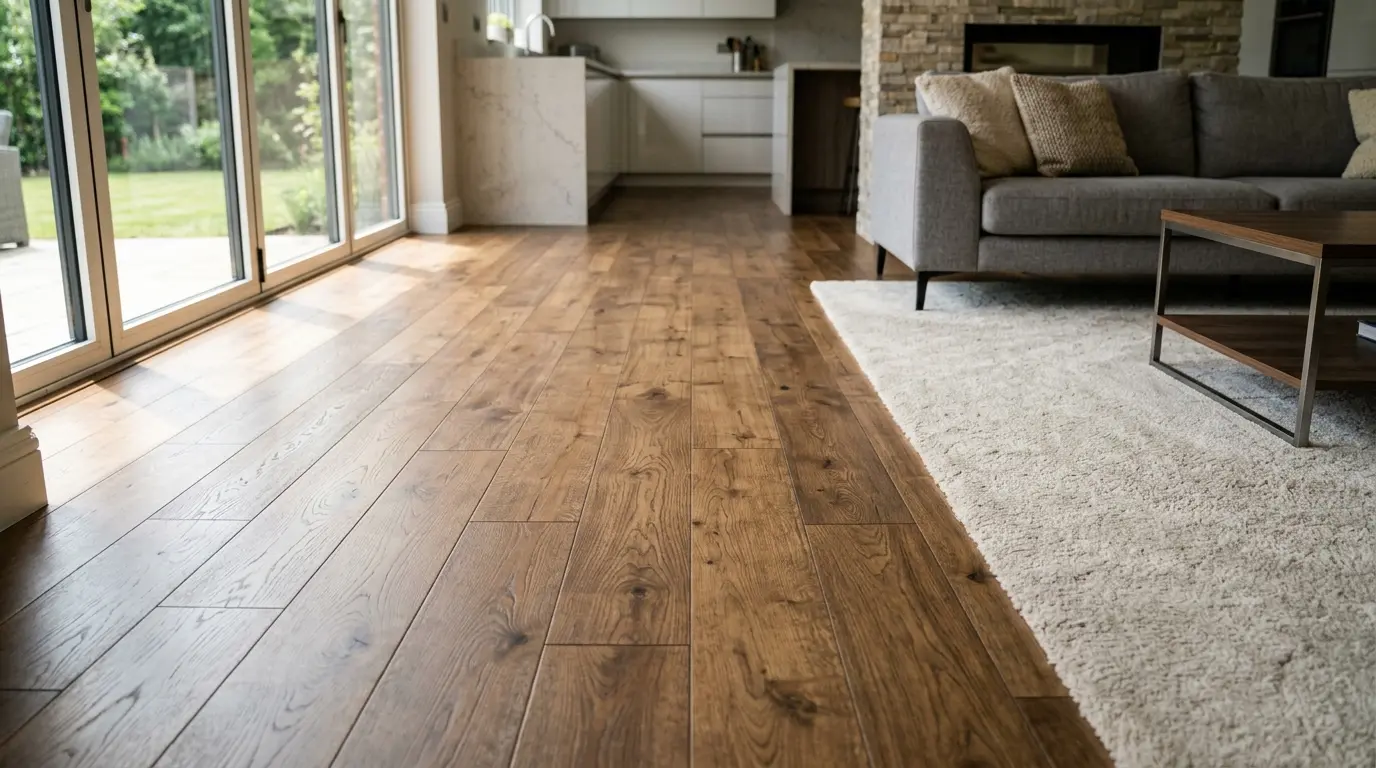
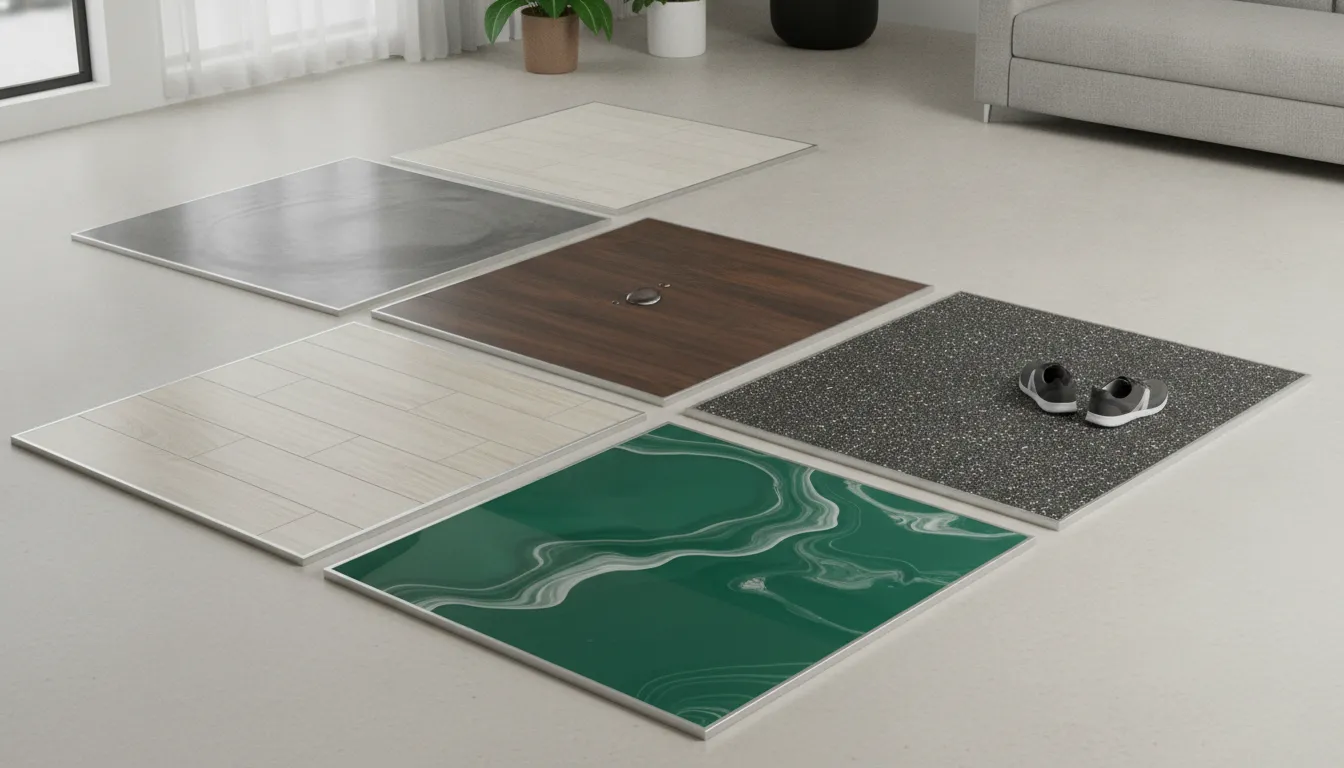
A flooring sample can look perfect in a showroom and still be the wrong choice for your home. Before making a decision, consider what the room must withstand. Bathrooms and laundry rooms need strong moisture protection. Entryways need resistance to grit and heavy traffic. Homes with pets may benefit from easy cleaning and stain resistance, while bedrooms may call for warmth and sound control. Durable flooring starts with matching the product to the space. It also requires a level, dry, stable subfloor and careful installation. ValorCraft Flooring provides professional flooring installation, preparation, refinishing, stair, and trim services across North Carolina.
Key Takeaways
- Choose flooring based on room conditions: Account for moisture, foot traffic, pets, furniture, sunlight, comfort, and cleaning needs before selecting a product.
- Evaluate the full installation plan: Compare construction, wear ratings, warranty terms, preparation needs, labor, transitions, and trim instead of relying on appearance or material price alone.
- Maintain floors proactively: Clean spills quickly, use approved products, protect surfaces with mats and furniture pads, manage indoor humidity, and address damage early.
Durable Flooring: What Matters
Durable flooring should do more than look good on installation day. It needs to handle the way your household or business operates, including wet shoes, dropped objects, pet accidents, moving furniture, heavy foot traffic, and regular cleaning. The right choice depends on the room, the product’s construction, and the quality of the installation.
Start by identifying the conditions your floor will face. A busy entryway may need strong scratch resistance, while a bathroom needs protection from moisture. A home with pets may benefit from stain resistance and simple cleaning, while a rental property may need flooring that can withstand frequent turnover and everyday wear.
It is also important to compare specific products instead of relying only on broad categories. Two luxury vinyl plank floors can have different wear layers, core construction, warranties, and dent resistance. The same applies to laminate, hardwood, and porcelain tile. Product specifications, installation requirements, and maintenance instructions can tell you more about expected performance than a sample’s color or texture.
Professional preparation matters just as much as the flooring itself. Uneven areas, moisture problems, damaged subfloors, and incorrect transitions can shorten the life of an otherwise dependable product. ValorCraft Flooring provides luxury vinyl plank installation and laminate flooring for homeowners, builders, property managers, and commercial clients across North Carolina.
Resist scratches, dents, stains, and wear
Durable flooring should resist common problems such as scratches, dents, spills, stains, fading, and wear from foot traffic. However, no floor is completely damage-proof. A product’s performance depends on its surface finish, thickness, core construction, installation method, and care requirements.
Think about what creates the most stress in your space. Large dogs may scratch flooring or track in moisture. Dining chairs can leave marks when they slide across the surface. Entryways collect grit that can act like sandpaper under shoes. Commercial and rental properties may experience enough daily traffic to wear down an unsuitable product quickly.
Ask about stain resistance, scratch resistance, dent resistance, and cleaning requirements before choosing a floor. The Flooring America guide to durable flooring explains several performance factors worth comparing. Product samples can help you judge color and texture, but specifications are more useful when you are evaluating long-term durability.
Compare waterproof and water-resistant flooring
Water-resistant flooring can handle small spills when they are cleaned up quickly. Waterproof flooring is designed to prevent water from reaching the surface or core during longer exposure. That difference matters in kitchens, bathrooms, laundry rooms, mudrooms, and homes where spills happen regularly.
LVP with a waterproof core is often a practical choice for moisture-prone rooms, but installation still affects performance. Water can enter through open seams, poorly fitted transitions, gaps around fixtures, or an unaddressed subfloor problem. Waterproof flooring also cannot prevent damage from a leaking appliance, burst pipe, or ongoing plumbing issue.
Porcelain tile is another strong option for areas exposed to water, particularly when the tile, grout, substrate, and surrounding details are installed correctly. Hardwood and laminate may work well in selected rooms, but they require more care around standing water and humidity. Ask whether the product is waterproof throughout its construction or only has a water-resistant surface.
Check PEI, wear-layer, and AC ratings
Performance ratings help you compare flooring more accurately than appearance alone. Porcelain and ceramic tile use PEI ratings to indicate suitability for different levels of foot traffic. Higher-rated products are generally better suited to busy residential areas and commercial applications, while lower ratings may be intended for walls or lightly used spaces.
For LVP, the wear layer helps protect the printed design from scuffs, stains, and everyday abrasion. A thicker wear layer may be worth considering for busy homes, pets, rental properties, and commercial spaces. Laminate uses AC ratings, which classify resistance to abrasion and help indicate whether a product is intended for residential or commercial traffic.
A warranty can provide another useful clue about expected performance, but read the conditions carefully. Some warranties exclude damage from moisture, improper cleaning, rolling chairs, high heels, pets, or installation over an unsuitable subfloor. Ask which ratings fit your room and how the product should be maintained before making a decision.
Consider pets, children, furniture, and sunlight
Your household’s routines should guide your flooring choice. Homes with pets and children may benefit from surfaces that are easy to clean and less affected by spills, tracked-in dirt, and frequent activity. LVP is often popular with dog owners because it handles accidents well and requires relatively simple cleaning. Textured or patterned surfaces may also make small marks less noticeable.
Furniture creates a different type of stress. Heavy cabinets, sofas, tables, and appliances can dent softer materials or restrict normal expansion and movement. Use felt pads under furniture, lift pieces instead of dragging them, and ask whether a flooring product has weight or indentation limitations.
Sunlight deserves attention, too. Floors near large windows may fade or change color over time, particularly with strong direct exposure. Window coverings, area rugs, and products with fade-resistant finishes can help limit this effect. Keep in mind that rugs can create uneven color changes if they cover part of the floor for long periods.
Review warranties, service life, and repairs
A floor’s purchase price is only one part of its value. Review the expected service life, warranty coverage, care instructions, and repair options before choosing a product. A reliable warranty can indicate the manufacturer’s expectations for product quality and lifespan, but it does not replace proper installation or routine maintenance.
Think about what happens if damage occurs. Individual LVP or laminate planks may be replaceable if you save extra material from the original installation. Hardwood can often be repaired, sanded, and refinished several times, depending on its thickness and construction. Tile may allow you to replace a damaged piece, although matching older tile can be difficult.
Ask how readily replacement materials can be found and whether repairs will affect nearby flooring. A professional estimate should separate materials, labor, removal, preparation, trim, and related work. ValorCraft Flooring’s contact page gives North Carolina property owners a way to discuss project needs and request clear guidance.
Address installation and subfloor conditions
Even a high-quality floor can perform poorly when installed over an uneven, damp, damaged, or unstable subfloor. Preparation may include removing old flooring, repairing damaged areas, leveling low spots, checking moisture, securing loose sections, and installing the correct underlayment or underlayment system.
The installation method also affects durability. Click-lock LVP requires an appropriate base and enough room for expansion. Glue-down flooring depends on proper adhesive selection, surface preparation, and open time. Laminate needs underlayment, perimeter expansion gaps, and protection from excess moisture. Tile requires a stable substrate, suitable mortar, proper layout, correctly filled joints, and enough curing time.
Professional installation helps the flooring reach its expected performance and lifespan. A licensed and insured, in-house flooring crew can identify preparation concerns before they become expensive problems. ValorCraft Flooring is a veteran-owned flooring company that uses professional crews rather than subcontractors, helping keep communication and workmanship consistent from estimate through completion.
Which Durable Flooring Should You Choose?
The most durable flooring for your home depends on where it will go, how the room is used, and how much maintenance you want to handle. A busy kitchen has different needs than a quiet bedroom, while a rental property may need a surface that withstands frequent turnover and allows for straightforward repairs.
Look beyond appearance when comparing flooring options. Water exposure, pet claws, furniture movement, sunlight, subfloor conditions, and installation quality all affect how well a floor performs. Product construction matters, too. Two floors in the same category can have very different wear layers, core materials, warranties, and installation requirements.
Before choosing a product, consider the room’s moisture level, foot traffic, comfort requirements, and expected service life. A professional installer can also identify subfloor concerns that may affect performance. ValorCraft Flooring offers flooring installation services for homeowners, builders, property managers, and commercial clients across North Carolina.
Choose porcelain tile for moisture and wear resistance
Porcelain tile is a strong choice for rooms exposed to water, dirt, and heavy daily use. It is waterproof and highly resistant to scratches, stains, fading, and general wear. When installed correctly, it can also provide dependable traction in areas where floors may become wet.
Use porcelain tile in bathrooms, kitchens, laundry rooms, mudrooms, entryways, hallways, and basements. It works especially well when you want a floor that will not absorb spills or react strongly to humidity. Tile is available in many colors, patterns, and wood or stone looks, giving you plenty of design flexibility.
The tradeoff is comfort. Porcelain can feel hard and cold underfoot, and individual tiles may crack if the subfloor moves or the installation is not properly prepared. Grout lines also need routine cleaning and occasional attention. A level, stable subfloor and careful layout are essential for a lasting result. Consumer Reports’ flooring guidance provides additional information about porcelain tile in high-traffic areas.
Choose LVP for waterproof comfort, with dent and heat limits
Luxury vinyl plank, or LVP, offers a practical balance of water resistance, comfort, and everyday durability. Many LVP products are fully waterproof, making them a popular option for kitchens, bathrooms, laundry rooms, basements, and homes with pets or children. Its softer surface is also more comfortable for standing than porcelain tile.
LVP comes in wood-inspired designs, so you can create a hardwood look without the same moisture concerns. It is easy to clean and generally resists scratches, stains, and ordinary household wear. Flooring America’s guide to durable flooring explains why LVP is often recommended for active households.
LVP is not indestructible, however. Heavy furniture, sharp objects, and dropped items can dent or gouge the surface. Excessive heat and direct sunlight may affect some products, especially when the floor is not selected or installed for those conditions. Check the wear layer, core construction, installation method, and warranty before buying. Glue-down LVP may be a practical choice for commercial spaces or rooms with demanding traffic.
Choose laminate for scratch resistance and value, with moisture limits
Laminate flooring is a practical choice when you want the appearance of wood or stone at a lower material cost. Its tough wear layer helps resist scratches, impacts, fading, and everyday scuffing, making it useful for living rooms, bedrooms, home offices, and other active areas.
Laminate can also suit budget-conscious homeowners who want a straightforward installation. It is available in many colors and plank styles, so it can coordinate with existing trim, stairs, and furniture. Some products include improved moisture protection, but laminate is not automatically waterproof.
Standing water and repeated spills can seep into seams and damage the core. This makes laminate less suitable for bathrooms, laundry rooms, and areas where moisture regularly collects. Prompt cleanup matters, and cleaning methods should follow the manufacturer’s instructions. Compare the product’s water-resistance claims, AC rating, warranty, and edge construction before buying. Consumer Reports’ high-traffic flooring comparison offers useful context when weighing laminate against tile and other materials.
Choose hardwood for refinishable appeal, with water and humidity concerns
Hardwood brings natural character, warmth, and long-term design appeal to living rooms, dining rooms, bedrooms, hallways, and other finished spaces. One of its biggest advantages is repairability. Depending on the damage and the thickness of the wear layer, hardwood can often be sanded and refinished instead of fully replaced.
Engineered hardwood uses layered construction that is generally more stable than solid hardwood. It provides the look and feel of real wood while handling seasonal changes with less movement. That makes it worth considering in parts of North Carolina where humidity varies throughout the year. ValorCraft Flooring provides hardwood installation and refinishing for residential and commercial spaces.
Hardwood still requires thoughtful placement and care. Standing water, leaks, high humidity, and repeated moisture can cause boards to swell, stain, or warp. Hardwood may also show scratches and dents more readily than tile or some vinyl products. Use protective pads under furniture, clean spills quickly, and ask your installer whether solid or engineered hardwood is better suited to the room and subfloor.
Compare product construction, not just flooring types
The name of a flooring category does not tell you everything about its performance. Two LVP products can have different wear layers, core structures, warranties, and installation requirements. The same is true for laminate, engineered hardwood, and porcelain tile.
Before comparing samples, review the product specifications. For LVP, check the wear-layer thickness, core type, plank dimensions, and whether the product is approved for glue-down installation. For laminate, look at the AC rating, water-resistance details, and locking system. For porcelain tile, review the PEI rating, water absorption, slip-resistance information, and recommended installation locations.
Also consider the room itself. A high-rated product can still perform poorly when installed over a damp, uneven, or unstable subfloor. Professional preparation may include moisture testing, leveling, repairs, or removal of existing materials. Ask for a written estimate that separates materials, labor, preparation, trim, transitions, and disposal. This makes it easier to compare options accurately rather than choosing a floor based only on its sample or advertised price.
Weigh repairs, replacements, and long-term value
The lowest purchase price is not always the lowest total cost. A less expensive floor may make sense in a low-traffic bedroom, but a busy entryway may need stronger wear protection and better moisture performance. Paying more for the right construction can reduce repairs and early replacement.
Maintenance also affects service life. Sweep or vacuum regularly, clean spills promptly, use doormats at exterior doors, and place protective pads beneath furniture. These habits help limit grit, moisture, scratches, and dents across nearly every flooring type. Manufacturer-approved cleaning products can also help protect the finish.
Consider how easily the floor can be repaired if damage occurs. A scratched hardwood floor may be refinished, while a damaged LVP or laminate plank may need to be replaced. Tile repairs can be straightforward when spare pieces are available, but matching older tile or grout may take more effort. Ask your installer about keeping extra material and the expected repair process. ValorCraft Flooring provides clear flooring estimates, helping homeowners and property managers compare upfront work with long-term value.
Choose Flooring by Room
The most durable flooring is not automatically the best choice for every room. A waterproof surface may be ideal for a bathroom, while a warmer, quieter material may feel more comfortable in a bedroom. Traffic, moisture, sunlight, pets, furniture, and cleaning habits all affect how flooring performs over time.
Start by identifying what each space needs to withstand. Entryways collect grit and moisture from outside. Kitchens and laundry rooms see frequent spills. Bedrooms benefit from comfort and sound control, while stairs require secure installation and carefully finished edges. The flooring should also coordinate with existing trim, transitions, cabinetry, and nearby rooms.
Porcelain tile, luxury vinyl plank, laminate, and hardwood can all provide lasting performance when the product and installation suit the space. Subfloor condition matters just as much. An uneven, damp, or damaged subfloor can create problems regardless of the flooring selected. ValorCraft Flooring provides flooring installation and preparation services across North Carolina, including LVP, hardwood, laminate, glue-down flooring, stair treads, trim work, and subfloor preparation.
Kitchens, bathrooms, and laundry rooms
Kitchens, bathrooms, and laundry rooms face regular spills, humidity, cleaning, and heavy foot traffic. Porcelain tile is a dependable choice when moisture and wear resistance are the main priorities. It is hard, easy to clean, and available in styles that resemble wood or natural stone. The grout and installation method also matter, especially in areas where water may collect.
Luxury vinyl plank offers another practical option. Quality LVP provides a more comfortable surface underfoot than tile and handles everyday spills with relatively little maintenance. It is also available in wood-inspired designs that coordinate with adjoining rooms. Flooring America recommends porcelain tile and luxury vinyl for wet, high-use areas. Before installation, have the subfloor inspected for moisture, uneven areas, and damage.
Entryways, hallways, and living areas
Entryways and hallways collect dirt, grit, and moisture, while living rooms experience steady foot traffic and furniture movement. Tile and luxury vinyl are practical choices for these connected spaces because they are easy to clean and available in many colors, patterns, and wood-look styles. LVP may also feel warmer and more forgiving underfoot than tile.
Hardwood can work well in living areas and hallways when moisture is controlled and the finish receives proper care. Place mats near exterior doors and use felt pads beneath furniture to reduce scratches. If you want the same flooring throughout adjoining rooms, plan transitions before installation. A consistent layout can make the home feel more cohesive, while poorly placed transitions can make separate spaces look disconnected.
Bedrooms and home offices
Bedrooms and home offices usually call for a balance of comfort, appearance, and everyday durability rather than maximum moisture resistance. Engineered hardwood, laminate, and luxury vinyl can all suit these spaces. Engineered hardwood provides a genuine wood surface, while laminate offers a wood-inspired look at a lower material cost.
Luxury vinyl is useful in home offices because it handles regular foot traffic and is simple to clean. If you use a rolling desk chair, choose a chair mat made for hard floors and place protective pads beneath heavy desks or bookcases. In bedrooms, quality underlayment can improve warmth and help reduce sound. Flooring America lists engineered hardwood, laminate, and luxury vinyl as suitable choices for lower-moisture rooms.
Homes with pets, children, and heavy traffic
Busy households need flooring that can withstand spills, claws, dropped toys, and frequent cleaning. Luxury vinyl plank is a popular choice because it offers water resistance and a softer feel than tile. Look for a product with a suitable wear layer and a finish that helps conceal minor marks. LVP still needs protection from sharp objects, dragging furniture, and standing spills.
Porcelain tile resists scratches and stains, making it useful in mudrooms, kitchens, and other high-use areas. It can feel colder and harder underfoot, however, and grout requires regular cleaning. Trim pets’ nails, use washable runners in busy paths, and place felt pads beneath furniture. GoFlooring identifies LVP and porcelain tile as strong options for homes with pets, children, and heavy traffic.
Basements, stairs, and connected spaces
Basements require careful planning because moisture levels can change even when the room appears dry. Luxury vinyl, tile, and waterproof laminate may work well when the subfloor is clean, level, and properly tested. Do not install flooring over an unresolved moisture problem. Depending on the condition, the project may require subfloor repairs, moisture protection, or a different material.
Stairs need secure installation around nosings, risers, landings, and transitions. Loose edges, uneven heights, or poorly finished corners can affect both appearance and safety. LVP, hardwood, and custom stair treads can create a consistent look between floors, but each option requires precise measurements. ValorCraft offers custom stair tread and trim work to help coordinate these details with the rest of the home.
Commercial and rental properties
Commercial and rental properties need flooring that remains presentable through repeated use and can be cleaned without complicated procedures. Commercial-grade laminate can be a cost-conscious option for offices, rental homes, and other spaces where scratch resistance is important. It provides a consistent appearance and is generally easy to maintain, but it should not be exposed to standing water unless the product is specifically designed for that use.
Luxury vinyl and glue-down flooring may be better suited to areas with heavier traffic or more demanding maintenance needs. Glue-down installation can provide a stable surface across larger spaces, and certain products allow damaged sections to be replaced without removing the entire floor. GoFlooring recommends commercial-grade laminate as a value-focused choice for commercial and rental properties. Request an estimate that separates removal, subfloor preparation, installation, transitions, and finishing work.
What Does Durable Flooring Cost?
Durable flooring costs more than the price shown on a sample. Your total project budget may include materials, installation, removal and disposal, subfloor repairs, trim, transitions, stair work, and finishing. A small bathroom may require less flooring than an open living area, but detailed cuts, waterproofing, or floor preparation can affect the labor involved.
Product quality also affects the price within each flooring category. Thickness, wear layer, backing, finish, installation method, warranty, and water resistance can all change the cost. Before choosing a material, ask for a written estimate that separates flooring, labor, preparation, and additional carpentry. ValorCraft Flooring provides professional flooring services for homeowners, builders, property managers, and commercial clients across North Carolina.
Budget for materials, labor, removal, and subfloor work
Begin by dividing your budget into four categories: materials, installation, removal, and preparation. Installation labor may include layout, cutting, adhesives, fasteners, leveling, cleanup, and disposal. Removing an existing floor can add time and cost, particularly when several layers need to be taken up or old adhesive requires extra work.
Subfloor condition deserves close attention. Uneven areas, squeaks, moisture concerns, damaged plywood, and weak spots may need repairs before the new floor goes down. Ignoring these problems can lead to movement, cracked tile, separated planks, or uneven wear. Professional preparation supports the flooring and helps it perform as intended. Consumer Reports also recommends professional installation and protective habits, including prompt spill cleanup, doormats, and furniture pads, when planning for long-term durability. Review Consumer Reports’ flooring guidance as you compare options.
Compare porcelain tile, LVP, and laminate costs
Porcelain tile often has higher installation costs because the process involves careful layout, mortar, grout, detailed cuts, and curing time. The material can make sense in kitchens, bathrooms, laundry rooms, and other areas exposed to moisture. It is highly resistant to wear, stains, scratches, and fading, but the hard surface and detailed installation can affect both labor and comfort.
Luxury vinyl plank, or LVP, often offers a practical balance of cost, comfort, and design flexibility. Click-lock products may install quickly, while glue-down flooring can be suitable for commercial spaces or rooms that need a secure bond. Laminate is commonly a value-focused choice with a wear layer that resists scratches, impacts, and fading. However, it generally needs more protection from standing water. Compare product construction, installation requirements, and warranty coverage rather than judging each material by its base price. GoFlooring’s durability guide offers additional information about porcelain tile and other flooring types.
Include trim, stair treads, transitions, and finishing
A flooring estimate should cover the details that make the finished installation look intentional. Baseboards, shoe molding, quarter round, thresholds, reducers, and transition strips may be required where the new flooring meets carpet, tile, or another surface. These pieces protect exposed edges and create a cleaner connection between rooms.
Stairs usually require additional planning and labor. Depending on the design, the work may include custom stair treads, risers, nosing, trim, sanding, staining, or finishing. A project that appears straightforward on the floor can become more involved once stairs and multiple transitions are included. Ask whether the estimate covers removal of existing stair coverings, custom fitting, and final touch-ups. ValorCraft Flooring offers custom stair treads and trim work, helping homeowners coordinate flooring and carpentry details through one professional crew.
Consider comfort, warmth, sound, and underlayment
The lowest material price may not provide the right experience for the room. Porcelain tile is durable and moisture resistant, but it feels harder and colder underfoot than many other options. LVP generally offers more cushioning and warmth, while laminate can benefit from a quality underlayment that improves comfort and reduces sound.
Underlayment may also support the manufacturer’s installation requirements and help smooth minor surface variations. It should not be used to hide serious subfloor problems, however. Consider how long people stand in each room, whether sound travels between floors, and how the surface will feel during colder months. Kitchens may benefit from a more comfortable surface, while bedrooms and offices may place greater importance on warmth and sound control. Flooring America’s comparison explains how comfort, stability, and maintenance vary across common durable flooring materials.
Balance wood and stone looks, resale appeal, and consistency
Durable flooring can support your design goals as well as your practical needs. LVP and laminate offer wood-inspired patterns, while porcelain tile can resemble wood, stone, or concrete. These styles make it easier to coordinate flooring with cabinets, trim, paint, and furnishings without choosing a material that requires more maintenance than your household can manage.
Consider how flooring will flow through connected rooms. One product can create visual consistency and simplify future repairs, but different rooms may need different surfaces. Tile may suit a wet bathroom, while LVP or hardwood may feel warmer in an adjoining living area. If resale appeal matters, choose a style that complements the home rather than following a highly specific trend. A flooring consultation with ValorCraft Flooring can help you compare samples, transitions, and layout options in your space.
Compare upfront costs with lifetime value
A lower purchase price does not always produce the lowest long-term cost. More durable flooring may require fewer repairs or replacements, especially in rooms exposed to moisture, pets, children, or heavy traffic. Porcelain tile can serve well in demanding wet areas, LVP offers practical water and scratch resistance for busy households, and hardwood can provide lasting appeal because it may be sanded and refinished.
Include maintenance and repairability in your comparison. Ask whether individual planks or tiles can be replaced, whether the warranty covers residential or commercial use, and which cleaning products the manufacturer approves. Installation quality matters just as much as product selection. Proper subfloor preparation, accurate cuts, secure transitions, and manufacturer-approved installation methods can prevent avoidable problems. When comparing estimates, look at the expected service life, maintenance needs, and repair options alongside the initial price.
Protect Your Floor During Installation
A durable floor depends on more than the material you select. Installation quality affects how the flooring looks, feels, and performs over time. Even a high-quality product can warp, crack, separate, or wear unevenly when installed over a damp, damaged, or uneven subfloor.
Before work begins, confirm the installation method, preparation requirements, materials, and project costs with your flooring contractor. ValorCraft Flooring provides professional flooring installation services across North Carolina, including luxury vinyl plank, hardwood, laminate, subfloor preparation, trim work, and custom stair treads.
A careful installation protects your investment and helps the flooring perform as intended. It also addresses small problems before they become expensive repairs.
Test moisture, level floors, and repair subfloors
Every flooring project should begin with a subfloor inspection. The installer should check for moisture, uneven areas, loose sections, damage, and debris before placing new flooring. Excess moisture can cause warping, buckling, mold, adhesive failure, and other issues that may appear weeks or months after installation.
Preparation depends on the existing surface and the flooring material. Concrete may need moisture testing, patching, or leveling. Wood subfloors may require fastening, repairs, or replacement in damaged areas. Flooring installation guidance from GoFlooring recommends testing moisture and creating a clean, level surface to help prevent future problems.
Install porcelain tile with proper layout, mortar, grout, and curing
Porcelain tile can resist moisture, scratches, stains, and heavy foot traffic, but it still requires precise installation. Before applying mortar, the installer should plan the layout so cuts look balanced and visible areas have a finished appearance. This also helps avoid narrow tile pieces along walls or awkward transitions between rooms.
The mortar must suit the tile and installation surface. Tiles should receive consistent support, while grout joints should remain even and properly filled. The floor also needs adequate curing time before heavy traffic or moisture exposure. Consumer Reports’ flooring guidance highlights the importance of proper layout, mortar, grout, and curing.
Choose between click-lock and glue-down LVP
Luxury vinyl plank comes in several installation styles. Click-lock LVP uses interlocking edges and typically floats above the subfloor. It can work well when the surface is properly prepared and the product is suitable for the room. Installers must connect each plank fully and leave the required space around walls and fixed objects.
Glue-down LVP is secured directly to the subfloor with flooring adhesive. It can provide a stable surface for commercial areas, rooms with rolling equipment, or spaces where movement needs to be carefully controlled. However, it requires accurate adhesive application and thorough subfloor preparation. Flooring America explains that LVP features vary, so ask your installer which method suits your room, traffic level, and product.
Install laminate with underlayment and expansion gaps
Laminate flooring needs room to expand and contract as indoor temperature and humidity change. Installers typically leave expansion gaps around walls, cabinets, door frames, and other fixed objects. Without enough space, planks may press against surrounding surfaces and lift, buckle, or separate.
Most laminate also requires a compatible underlayment. This layer can help absorb sound, protect against moisture, improve comfort, and address minor surface irregularities. The correct underlayment depends on the flooring and subfloor, so do not assume every product is interchangeable.
Laminate should be acclimated according to the manufacturer’s instructions before installation. Transitions should cover expansion spaces without pinning the floor in place.
Finish stairs, trim, thresholds, and transitions cleanly
Finishing details often determine whether a project looks professionally completed. Stairs, baseboards, thresholds, and transitions should align with the new flooring and create smooth changes between materials. Poorly fitted trim can leave gaps, expose unfinished edges, or create areas where dirt and moisture collect.
Stair treads and risers need secure installation, accurate cuts, and a consistent appearance. Transitions should sit firmly and reduce height changes between rooms, helping prevent trips. Door casings may need to be trimmed so the flooring can fit underneath instead of stopping short.
ValorCraft Flooring offers custom stair tread and trim work to help connected spaces look consistent and carefully finished.
Request clear labor, preparation, and material estimates
Before signing a contract, request an estimate that separates materials, installation labor, removal, disposal, subfloor preparation, trim, transitions, and other project costs. Ask whether the price includes furniture moving, old flooring removal, moisture testing, leveling, adhesive, underlayment, and stair work.
The estimate should identify the flooring product, brand, color, quantity, installation method, and assumptions about the existing surface. If the subfloor cannot be fully evaluated until the old flooring is removed, ask how additional repairs will be priced and approved.
Clear estimates make it easier to compare contractors and reduce unexpected costs. GoFlooring recommends outlining labor, preparation, and materials before work begins.
Hire licensed, insured, in-house flooring crews
The installation crew matters as much as the flooring material. Look for a licensed and insured company with experience installing the product you have selected. Qualified installers can follow manufacturer requirements, identify subfloor concerns, and complete detailed work with the right tools.
Ask whether the company uses its own employees or assigns projects to subcontractors. In-house crews can provide more consistent communication, scheduling, quality control, and accountability from the initial estimate through the final walkthrough.
ValorCraft Flooring is a veteran-owned company serving homeowners, builders, property managers, and commercial clients across North Carolina. Its company profile explains its focus on licensed, insured, carpenter-run work completed by professional in-house crews. To discuss your flooring and preparation needs, contact ValorCraft Flooring.
Maintain Durable Flooring
Durable flooring still needs regular care. A consistent routine protects the finish, reduces surface damage, and helps you catch small problems before they become costly repairs. Start with the manufacturer’s cleaning instructions, since a product that works well on porcelain tile may damage hardwood, laminate, or luxury vinyl plank (LVP).
Your maintenance plan should also reflect how each room is used. Entryways, kitchens, hallways, and commercial spaces usually collect more dirt and moisture than bedrooms or home offices. Use doormats, protect furniture legs, clean spills quickly, and inspect high-traffic areas regularly. Consumer Reports offers additional durable flooring maintenance guidance for comparing care needs across flooring types.
When damage extends beyond routine cleaning, professional help can make the next step clearer. ValorCraft Flooring provides flooring installation and refinishing services for homeowners, builders, property managers, and commercial clients across North Carolina.
Sweep, vacuum, and use approved cleaners
Dirt and grit can act like sandpaper beneath shoes, pet paws, and furniture. Sweep high-traffic areas frequently, then vacuum with a hard-floor setting or a soft attachment. Avoid damaged vacuum wheels and rotating brush bars unless the flooring manufacturer approves them for your surface.
Wipe spills promptly with a soft cloth, especially on wood, laminate, and flooring installed over a wood subfloor. Use only a cleaner approved for your flooring type, and follow the recommended dilution instructions. Too much product can leave a sticky film that attracts dirt.
When damp mopping is appropriate, use a well-wrung microfiber mop rather than saturating the floor. Do not leave standing water behind. Change the cleaning pad when it becomes dirty, since a soiled pad can spread grit instead of removing it.
Care for porcelain tile and grout
Porcelain tile resists scratches and everyday wear, making it a practical choice for kitchens, bathrooms, entryways, and other demanding areas. Sweep or vacuum regularly to remove grit before it dulls the surface. Then clean with a manufacturer-approved tile product and a soft mop or cloth.
Grout needs its own maintenance routine. Dirt collects in grout joints, particularly near showers, sinks, exterior doors, and cooking areas. Use a soft grout brush and a suitable cleaner instead of abrasive tools that may damage the joints. Flooring America explains that grout requires regular cleaning and occasional sealing, depending on its type and location. Its guide to durable flooring options provides useful care considerations.
Inspect grout lines for cracks, gaps, or crumbling sections. Damaged grout can allow moisture beneath the tile and contribute to loose tiles or subfloor damage. If you notice movement or recurring dampness, address the underlying issue before resealing.
Protect LVP from scratches, stains, and sunlight
LVP handles many everyday spills and is easy to clean, which makes it a popular option for active homes and households with pets. It can still be damaged by heavy furniture, sharp objects, dragged appliances, and abrasive grit.
Place felt pads beneath chairs, tables, couches, and other furniture. Lift pieces when rearranging a room instead of sliding them across the floor. Protective runners can reduce wear in hallways and entryways, but choose rug backing approved for your specific product. Some rubber or latex backings may discolor vinyl.
Clean pet accidents and food spills promptly. Keep LVP away from excessive heat, and use curtains or blinds in rooms with strong direct sunlight. Prolonged heat and sunlight can contribute to fading, expansion, or other surface problems. Proper LVP installation also helps provide the expansion space and secure seams the product requires.
Clean laminate without excess water or harsh chemicals
Laminate offers a durable wear surface and a practical alternative to wood. Remove loose dirt with a soft broom or a hard-floor vacuum. When the floor needs a deeper clean, use a lightly damp microfiber mop instead of soaking the surface.
Excess water can seep into seams and cause swelling, particularly when spills sit unattended. Wring out the mop thoroughly, clean small sections at a time, and dry any moisture left behind. Avoid steam cleaners, abrasive scrubbers, wax, and harsh chemicals unless the manufacturer specifically allows them.
Laminate cannot be sanded and refinished like hardwood. Once its protective top layer wears through, or a plank suffers significant water damage, replacement may be necessary. Keep spare planks after installation when possible. Matching material later can be difficult if the product is discontinued or the surrounding floor has changed color from sunlight.
Use doormats, furniture pads, rugs, and pet-friendly protection
Prevention is one of the simplest ways to extend a floor’s service life. Place doormats at exterior entrances to catch dirt, grit, and moisture before they reach the floor. Clean the mats regularly, since a saturated or gritty mat can transfer debris indoors.
Add felt pads to furniture legs, and replace them when they wear down or collect dirt. Lift heavy furniture instead of dragging it. Area rugs can reduce wear in dining rooms, offices, playrooms, and hallways, while also making spills easier to manage. Choose rug pads approved for your flooring type.
Pets may need a few additional safeguards. Keep nails trimmed, place absorbent mats beneath water bowls, and clean accidents quickly. Avoid adhesive-backed products that may leave residue or pull up a finish. In homes with children or large dogs, runners can protect entryways and other high-traffic areas without covering the entire floor.
Control indoor humidity and temperature
Wood flooring responds to changes in moisture and temperature. Excess humidity can cause boards to expand, while very dry conditions may lead to gaps or shrinkage. Keep indoor conditions as consistent as possible with heating, cooling, ventilation, or a dehumidifier when needed.
Engineered hardwood may provide more dimensional stability than solid hardwood because its layered construction is designed to handle some changes in indoor conditions. It is not waterproof, however. Wipe up spills promptly, seal leaks around doors and windows, and address plumbing problems without delay. Flooring America explains how engineered hardwood construction can affect performance as conditions change.
Use trays beneath plants, humidifiers, and pet bowls, and do not place wet shoes directly on wood flooring. Basements and rooms above crawl spaces may need additional moisture testing and subfloor preparation. If boards begin cupping, crowning, separating, or staining, identify the moisture source before attempting a repair.
Decide when to repair, refinish, or replace flooring
Small problems do not always require replacing an entire floor. Depending on the damage, a professional may be able to replace an isolated plank, repair trim, resecure a transition, or correct a limited subfloor issue. Early repairs can prevent damage from spreading across adjoining sections.
Hardwood offers a long-term advantage because it can often be sanded and refinished when the surface becomes worn. The number of possible refinishes depends on board thickness, previous sanding, and the floor’s condition. A professional assessment can determine whether refinishing is appropriate. ValorCraft Flooring offers hardwood sanding and refinishing for eligible floors.
Replacement may be more practical when laminate is deeply damaged, LVP has widespread dents or failed seams, tile has extensive cracking, or moisture has reached the subfloor. Compare the product’s warranty, wear layer, construction, and availability before deciding. Consumer Reports recommends comparing individual product ratings rather than assuming every product within a flooring category performs the same way. A clear inspection and estimate can help you compare repair, refinishing, and replacement costs.
Frequently Asked Questions
What is the most durable flooring for a busy home?
Luxury vinyl plank and porcelain tile are strong choices for homes with pets, children, frequent spills, and heavy foot traffic. LVP offers a softer, more comfortable surface with easy cleaning, while porcelain tile provides excellent resistance to moisture, scratches, stains, and wear. The best option depends on the room and the product’s specific construction.
Is waterproof flooring better than water-resistant flooring?
Waterproof flooring provides greater protection when spills or moisture remain on the surface for longer periods. Water-resistant flooring can handle minor spills when they are cleaned quickly. Neither option can correct plumbing leaks, standing water, or moisture beneath the subfloor, so proper preparation and installation remain essential.
Which flooring is best for homes with pets?
LVP is often a practical choice for pet owners because it is simple to clean and many products resist moisture and stains. Porcelain tile also handles scratches and accidents well, although it feels harder underfoot. Whichever material you choose, use furniture pads, keep pets’ nails trimmed, and clean accidents promptly.
How can I tell whether flooring will last?
Review the product’s wear layer, PEI rating, AC rating, core construction, warranty, and approved installation method. Also consider whether it suits your room’s moisture level and traffic. A professional inspection of the subfloor can identify uneven areas, moisture concerns, or damage that could shorten the floor’s service life.
Should I repair, refinish, or replace damaged flooring?
The right solution depends on the material and extent of the damage. Hardwood may be sanded and refinished, while damaged LVP or laminate planks may be replaceable if matching material is available. Tile repairs can work when spare pieces exist. A professional assessment from ValorCraft Flooring can help you compare the practical cost and expected result of each option.