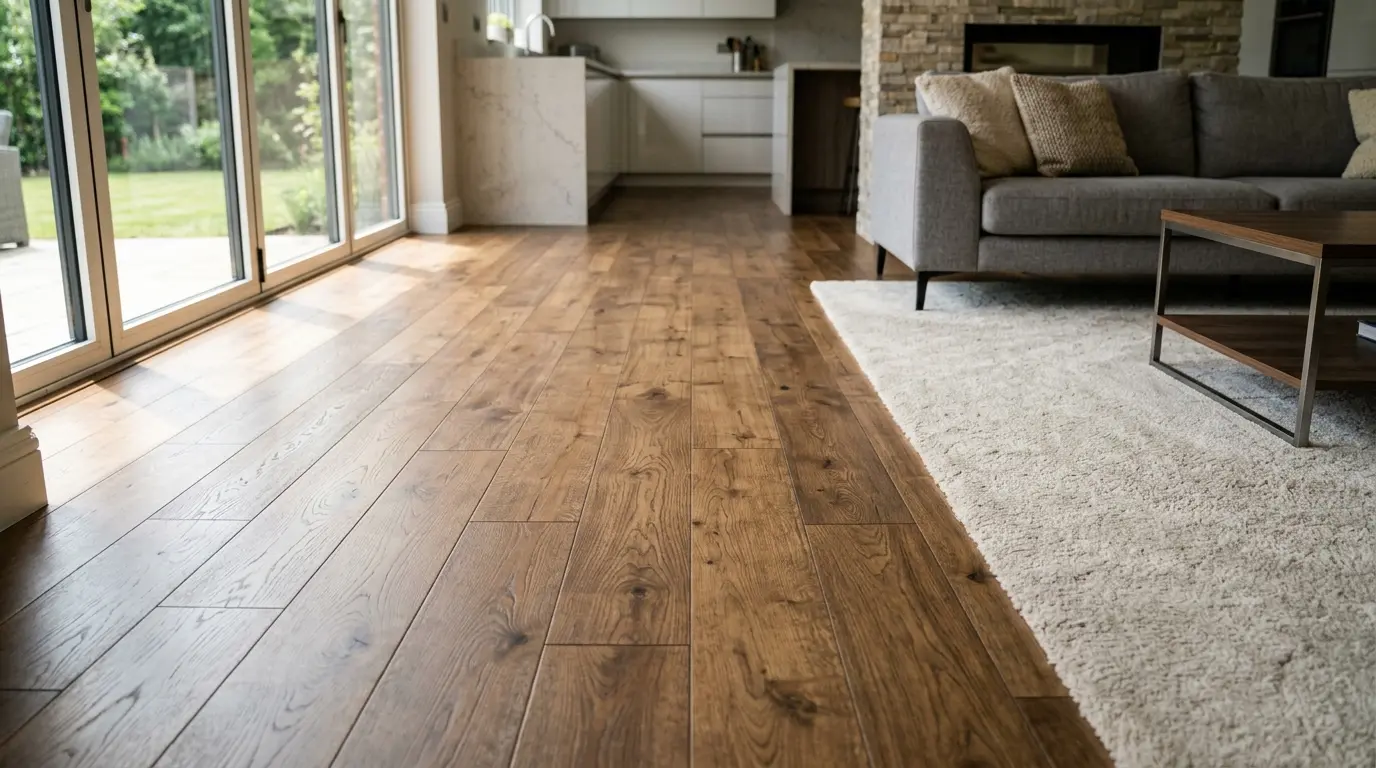


Your flooring project may involve more than choosing a color and setting an installation date. Old flooring may need removal, the subfloor may need repairs, and trim or transitions may be part of the finished look. A dependable flooring contractor in North Carolina should explain these details before work begins and provide a written estimate that outlines the scope. It also helps to know who will be in your home or business, how the schedule will work, and how changes will be approved. Whether you’re refreshing one room or planning a larger commercial project, these practical questions can help you choose a contractor whose approach fits your needs.
Key Takeaways
- Choose flooring for the space: Weigh room use, moisture, upkeep, budget, and subfloor conditions before selecting hardwood, luxury vinyl plank, laminate, or another option.
- Check the contractor’s process: Confirm applicable credentials and insurance, ask who will complete the work, and review experience with your flooring type and project.
- Compare complete written estimates: Check materials, preparation, removal, trim, timing, warranty, payment terms, and exclusions; approve changes in writing before work proceeds.
What Does a North Carolina Flooring Contractor Do?
A flooring contractor helps you select and install flooring, refinish existing hardwood, and complete the preparation and finishing work that makes a project look polished. The job may involve a single room, an entire home, a rental property, or a commercial space. The right materials and installation methods depend on how each area is used, the condition of the subfloor, and your budget.
Before work begins, the contractor should review the project with you, take measurements, explain the proposed approach, and provide a written estimate. That estimate should make clear what is included, such as removing old flooring, preparing the subfloor, installing new materials, and completing trim. If the project involves multiple rooms or flooring types, discuss how the work will be sequenced and how long each stage may take.
Good planning matters because flooring performance depends on more than the product you choose. Proper preparation and installation help reduce the risk of issues such as uneven surfaces, gaps, or movement. ValorCraft Flooring outlines its installation and flooring services, which include options for residential and commercial projects.
Install luxury vinyl plank, hardwood, laminate, and glue-down flooring
A flooring contractor installs products using methods suited to the material and the room. Luxury vinyl plank, or LVP, offers a range of styles and practical water resistance. Hardwood brings a natural look, while laminate can provide a wood-inspired appearance at a different price point. Glue-down flooring requires the correct adhesive and a carefully prepared surface.
Installation involves more than placing boards or planks. The contractor measures the space, plans the layout, makes precise cuts around walls and fixtures, and fits transitions where the floor meets another surface. Ask how the installer will account for the room’s use, moisture conditions, and subfloor before recommending a product or method. These details help you compare options based on performance as well as appearance.
Sand and refinish hardwood floors
If your hardwood looks dull, scratched, or worn, refinishing may be an option instead of replacing it. A contractor first assesses the boards and existing finish to determine whether sanding and refinishing are suitable. Sanding removes the old finish and a thin layer of wood, creating a smoother surface. The contractor can then apply a stain, if desired, followed by a protective finish.
Refinishing is not the right solution for every floor. Deep damage, loose boards, moisture issues, or wood that has been sanded several times may call for repairs or replacement. Ask what the process involves, how the rooms will be ventilated, and how long the finish needs to cure before you can move furniture back in. This guide to choosing flooring for North Carolina homes offers additional context on hardwood and long-term care.
Prepare subfloors, install custom stair treads, and complete trim work
The subfloor provides the base for your new flooring, so its condition matters. A contractor may check for uneven areas, damage, or moisture concerns and recommend repairs or preparation before installation. These steps can help prevent problems such as movement, gaps, or an uneven finish. Ask which preparation tasks are included in the estimate and how additional repairs will be priced if the team finds an issue after removing the old floor.
Many projects also include custom stair treads, baseboards, or transitions between rooms. These finishing details connect the flooring to the rest of the space and give edges a clean appearance. If your project includes stairs, several flooring types, or unusual room shapes, mention those details when requesting an estimate. The contractor can then account for the measurements, materials, and labor involved.
Install commercial flooring for businesses, builders, and property managers
Commercial flooring projects often have different requirements from residential installations. A business may need flooring that handles frequent foot traffic, while a property manager may value easy maintenance and a schedule that limits disruption for tenants. Builders may need installation coordinated with other trades and construction milestones.
A contractor should learn how the space will be used, what the timeline looks like, and whether the site has access rules or other requirements. Ask how the work will be scheduled, whether installation can be phased, and what areas will need to remain clear. Sharing plans and project details early helps the contractor define the scope and identify potential scheduling or site concerns before work begins.
Confirm the contractor offers the services and materials you need
Flooring companies vary in the materials and services they provide. Some focus on residential installation; others also handle hardwood refinishing, subfloor preparation, stairs, trim, or commercial projects. Before requesting estimates, list the rooms and flooring types involved, along with related needs such as removing old flooring, moving furniture, or repairing the subfloor.
Confirm that the contractor has experience with your chosen product and installation method. Ask for a written estimate that explains what is included, what is excluded, and how unexpected work will be handled. ValorCraft’s service list details its flooring and related work, while its company overview describes its carpenter-run operation and in-house crews.
How Do You Choose a Reliable North Carolina Flooring Contractor?
A reliable flooring contractor should be able to explain what your project involves, who will do the work, and how the finished floor will be protected. Before you hire anyone, ask questions about their experience, insurance, installation process, and communication. Clear answers can help you spot gaps in an estimate and set expectations before work begins.
Start by describing your space and the flooring you’re considering. A bedroom with hardwood may call for a different installation plan than a commercial space with glue-down flooring. Ask how the contractor will assess the subfloor, what preparation is included, and how they’ll address issues discovered during the job. These details matter because installation quality depends on more than the visible flooring material.
Get the important terms in writing, then compare proposals by scope and materials, not just the total price. Confirm who will be on site, how changes will be approved, and when payment is due. For a sense of the work one local company handles, review ValorCraft Flooring’s services, which include hardwood, luxury vinyl plank, laminate, subfloor preparation, stairs, trim, and commercial flooring. Use the steps below to make a more informed choice for your North Carolina home or property.
Verify applicable credentials and request proof of liability and workers’ compensation insurance
Ask which credentials apply to the contractor and your project, and request current proof before work starts. Requirements can vary by the type and scope of work, so don’t assume that a company’s experience alone confirms its qualifications. Check that the business name on the documents matches the company you plan to hire.
Ask for certificates showing general liability and workers’ compensation coverage. Liability insurance may help address accidental damage to your property, while workers’ compensation can apply if a worker is injured on the job. Coverage terms matter, so review the documents and ask questions if anything is unclear. The North Carolina Department of Insurance offers information about workers’ compensation coverage. Keep copies of relevant documents with your estimate and contract.
Ask about experience with your flooring, project type, and subfloor
Ask how much experience the contractor has with the specific material and work you need. Installing luxury vinyl plank, laminate, and glue-down flooring involves different preparation and installation methods. Hardwood installation and refinishing also call for particular skills. Experience with one type of flooring doesn’t necessarily mean the crew regularly handles another.
Describe the room, how it’s used, and any issues you’ve noticed, such as squeaks, uneven spots, or previous moisture. Ask how the contractor will inspect the subfloor and what preparation could be required. You can also request examples of similar projects and ask what challenges came up. A contractor who explains the process clearly can help you understand what the job may involve before you make decisions about materials or cost.
Ask whether the contractor uses in-house crews or subcontractors
Ask who will complete the installation and who will oversee the work. Some contractors use in-house employees, while others hire subcontractors. Either setup can work, but you should know who is responsible for the schedule, workmanship, and communication. Confirm who your main contact will be if a question or concern comes up.
Ask whether the crew is covered by the contractor’s insurance and how the company handles quality checks. Find out who will explain any changes to the original plan and get your approval before additional work begins. ValorCraft Flooring describes its approach as carpenter-run, with professional in-house crews rather than subcontractors. Its about page shares more about the company’s team and values, helping you assess whether its project structure suits your expectations.
Check reviews and references for craftsmanship, communication, and follow-through
Read recent reviews on more than one platform, and look for details that match your project. Comments about preparation, attention to detail, cleanup, and keeping customers informed can tell you more than a rating alone. Look for patterns across reviews, including how the company responded when a customer raised a concern.
You can also request references from customers with similar flooring or project needs. Ask whether the crew arrived as expected, kept the work area orderly, and completed the agreed scope. Find out how the contractor handled questions or unexpected issues, and whether the customer would hire the company again. References won’t guarantee that your project will go exactly the same way, but they can offer useful insight into the contractor’s communication and follow-through.
Request a written estimate, scope, timeline, and warranty details
Ask for a written estimate that lists the work, materials, labor, and expected schedule. It should identify which rooms are included and clarify whether the price covers old-floor removal, disposal, subfloor preparation, trim, or stair work. If the contractor recommends repairs, ask whether they’re included or will be priced separately.
Discuss how the company handles delays, material availability, and issues uncovered during installation. Request warranty details in writing, including what the warranty covers, its limits, and how to request service. Make sure the estimate and contract explain how changes will be documented and approved. Keep copies of the estimate, contract, and any written change orders so you can refer to the agreed scope throughout the project.
Compare project details, not just price, and review the contract before signing
A lower estimate may cover less work or use different materials, so compare proposals line by line. Check the flooring product, installation method, subfloor preparation, removal and disposal, trim, cleanup, schedule, and warranty. If one contractor includes work that another leaves out, ask both to explain the difference before you decide.
Read the contract carefully and confirm that it matches the estimate and your conversations. Look for the payment schedule, expected start and completion dates, change-order process, and terms for unexpected repairs. Ask the contractor to clarify anything you don’t understand and put agreed changes in writing before signing. A clear contract gives both you and the contractor a shared record of what the project includes, how updates will be handled, and what you can expect along the way.
Consider ValorCraft Flooring’s veteran-owned, carpenter-run approach and accountable in-house crews
As you compare North Carolina flooring contractors, consider how each company manages its crews and takes responsibility for the work. ValorCraft Flooring is veteran-owned and carpenter-run, with professional in-house crews rather than subcontractors. The company is licensed and insured, and it provides clear estimates for residential and commercial projects across North Carolina, with a focus on the Triad area.
Review ValorCraft’s flooring services to see whether the team handles your material and project type. If you’re comparing contractors, ask how the company will assess your subfloor, what the estimate includes, and who will be your point of contact. When you’re ready to discuss your space, budget, and schedule, contact ValorCraft Flooring to request an estimate.
Which Flooring Fits Your North Carolina Home?
The best flooring for your home depends on the room, the people and pets who use it, and the amount of care you want to give it. A busy entryway may need to handle grit and wet shoes, while a bedroom may call for a softer, quieter feel. Your budget matters, too, but compare the full project cost, including preparation, installation, trim, and any old-floor removal.
North Carolina’s humidity is another consideration. Moisture and changes in indoor conditions can affect flooring, but each product responds differently. Hardwood, luxury vinyl plank, and laminate all come in a range of styles and performance features, so check the manufacturer’s guidance for the specific product you’re considering. Don’t assume a material is right for a room based on appearance alone.
It also helps to have a flooring professional inspect the room and subfloor before you make a final decision. The surface beneath the flooring, its condition, and the installation method can all affect the result. ValorCraft Flooring installs hardwood, luxury vinyl plank, laminate, and other flooring across North Carolina. Use the questions below to compare your options and prepare for a practical conversation with your contractor.
Hardwood offers a natural look, durability, and the option to refinish
Hardwood brings natural grain and warmth to a room, with patterns and tones that suit many home styles. With proper care, it can last for years. One advantage is the option to sand and refinish the surface when it becomes worn or when you want to change its appearance, though the number of times it can be refinished depends on the flooring.
Wood responds to changes in humidity, so the product, subfloor, and installation method matter. Ask how the flooring will be prepared for your home and what care it needs after installation. Clear communication about materials, timing, and the work involved can make the project easier to manage. FloorCo Omaha’s guide to choosing a hardwood flooring company also highlights communication as an important part of working with a contractor.
Luxury vinyl plank offers varied styles and practical water resistance
Luxury vinyl plank, or LVP, comes in styles that resemble wood and other materials, making it easy to compare looks for different rooms. Many products offer water resistance, which can be useful in spaces where spills or everyday moisture are a concern. Check the product specifications carefully: water resistance varies, and it does not mean every LVP floor can handle standing water or every damp condition.
Think about how the room is used and how the flooring will meet cabinets, doorways, and other surfaces. Ask your installer which preparation steps and installation method the product requires. These details help the floor perform as intended and can affect the finished appearance. For a helpful overview of vinyl formats and other flooring considerations, see Mr. Handyman’s guide to flooring types.
Laminate comes in a range of looks and price points
Laminate is available in many colors, patterns, and finishes, including designs inspired by wood. It can be a practical option if you want to compare styles and price points. However, products vary in construction and performance, so look beyond the sample’s appearance. Review the manufacturer’s information for wear, cleaning, and moisture limits.
Ask your contractor whether the laminate you’re considering suits the room, especially if spills or frequent moisture are likely. Some products include added moisture protection, but that doesn’t make every laminate suitable for bathrooms or other wet areas. Confirm what the estimate includes, such as subfloor preparation, underlayment, trim, and transition pieces. Knowing these details helps you compare the full project scope, not just the flooring price.
Compare maintenance, moisture needs, comfort, household needs, and budget
Start by considering how you use each room. An entryway, family room, and bedroom have different levels of traffic and exposure to moisture. Think about pets, children, spills, and how much time you want to spend cleaning or maintaining the floor. Comfort matters as well: consider how the surface feels underfoot and whether it suits the room’s everyday use.
Then compare product specifications and installation details alongside the initial price. Ask about maintenance, moisture limits, expected wear, and the materials included in the estimate. A lower-priced product may not be the best fit if it requires more care or isn’t suited to the room. Bcal Flooring’s contractor checklist recommends comparing specific flooring types, brands, and grades when reviewing a project.
Ask whether the product and installation method suit the room and subfloor
Before choosing a flooring product, ask your contractor to inspect the room and existing subfloor. Concrete, wood, uneven surfaces, and signs of moisture can affect which materials and installation methods are appropriate. A flooring sample may look right, but conditions underneath can change what will work well in that space.
Ask what subfloor preparation is needed, whether the product requires acclimation, and how the installation will account for the room’s conditions. Have the contractor explain these steps and include the agreed scope in the written estimate. Hardwood installation and refinishing, in particular, call for product-specific knowledge and care. PTL Flooring’s guide to hiring a hardwood contractor explains why experience matters when working with wood floors.
What Should You Expect During Flooring Installation?
A smooth flooring project starts with a clear plan. Before installation, talk with your contractor about how you use the room, the look you want, your budget, and the timing that works for your household or business. A busy entryway, kitchen, or commercial space may have different needs than a bedroom, and pets, children, and daily routines can affect your product choice and schedule. Lowe’s flooring preparation guide also recommends considering room use, design, budget, and scheduling before work begins.
Your estimate should explain what the project includes, such as measurements, materials, installation, subfloor preparation, and finishing work. Confirm how the crew will access the space, what you need to move, whether the material needs to acclimate, and how long the work may take. Ask what could change the schedule or cost, and how the contractor will get your approval before proceeding with additional work.
Before installation day, your contractor should also explain how the room will be prepared, what disruptions to expect, and what cleanup and final review are included. ValorCraft Flooring’s services include flooring installation, subfloor preparation, trim work, and hardwood refinishing. Knowing which tasks apply to your project helps you prepare and gives you a clearer picture of each step.
Discuss room use, design, budget, and scheduling
Tell your contractor how you use the room and what you want from the new floor. A kitchen or entryway may need different features than a bedroom, while pets, children, and cleaning routines can help narrow your choices. Share the style you have in mind, your budget, and any practical concerns, such as moisture or comfort.
Next, discuss the schedule. Ask how long installation is expected to take, whether you’ll need to stay out of the room, and whether product delivery or preparation could affect the start date. Some projects involve removing existing flooring or completing subfloor work before installation can begin. Agreeing on the expected sequence and timing helps you plan around temporary changes to your home or business.
Confirm measurements, materials, installation method, access, and project scope
Review the written estimate before approving the project. Confirm which rooms are included, how measurements were taken, the product and finish you selected, and the planned installation method. Check whether the estimate covers old-floor removal, subfloor preparation, trim work, furniture moving, and disposal. If a task is not listed, ask whether it is included rather than assuming.
Also discuss where materials will be delivered and stored, how the crew will access the work area, and what happens if they find hidden damage. Request approval before any added work begins, and ask how additional costs will be documented. An itemized estimate makes it easier to understand the scope and compare proposals based on the same work.
Plan for furniture, pets, and temporary disruptions
Ask what needs to be cleared before installation day. Depending on the project, you may need to move furniture, rugs, décor, and items stored in closets. Confirm who will handle large or heavy pieces, whether furniture moving is included, and how belongings that remain in nearby areas will be protected.
Make a separate plan for pets and keep them away from the work zone. Tools, materials, open doors, and unfamiliar activity can create safety concerns and make the day more stressful for animals. You may also need to adjust your routine if a room is temporarily inaccessible or installation noise and dust reach nearby spaces. Preparing ahead of time helps the crew work efficiently and protects your belongings.
Expect a subfloor inspection and necessary preparation before installation
Before the new flooring goes in, the crew should inspect the subfloor for damage, uneven areas, or moisture concerns. The required preparation depends on the existing surface, the flooring product, and the manufacturer’s installation instructions. Ask what the contractor finds and whether repairs or leveling are needed before work proceeds.
If additional preparation is recommended, ask what it involves and whether it will affect the estimate or schedule. A stable, suitable surface matters because issues below the finished floor can affect its appearance and performance. ValorCraft Flooring offers subfloor preparation as part of its flooring work. Have your contractor explain any proposed repairs and get your approval before added work begins.
Ask about material acclimation, cleanup, and the final walkthrough
Ask whether your flooring needs time to acclimate in your home before installation. Requirements vary by product and manufacturer, so confirm how the material should be stored and whether acclimation will affect the schedule. Your contractor can also explain what room conditions are needed before installation begins.
Before work starts, clarify what cleanup is included and how removed flooring and leftover materials will be handled. When installation is complete, walk through the space with the contractor. Check transitions, edges, trim, stairs, and the overall finish, and raise any concerns while the crew is still there. Before moving furniture back, ask about care instructions, warranty coverage, and any waiting period or other steps specific to your flooring.
What Affects Flooring Contractor Costs in North Carolina?
A flooring estimate covers more than the price of the product. Room size, installation method, subfloor condition, and project details can all affect the total. Ask for an itemized estimate so you can see what’s included and compare proposals fairly.
See how materials, room size, and installation method affect your estimate
The flooring material is one of the main factors in your estimate. Hardwood, luxury vinyl plank, laminate, and glue-down flooring vary in product cost and installation requirements. Room size matters, but the layout can affect labor too. Closets, stairs, corners, and transitions between flooring types may require additional measuring and detail work.
Installation methods also differ. Some floors are installed as floating systems, while others require adhesive or specific subfloor preparation. Ask your contractor which method they recommend for your product and room, and how it affects labor and materials. Compare product quality as well as price. A low estimate may exclude important preparation or specify a different material than another quote. This guide to choosing a hardwood flooring company explains why it’s worth looking beyond the lowest bid.
Budget for old-floor removal, furniture moving, subfloor repairs, and trim work
Installation may involve tasks beyond placing the new flooring. Removing and disposing of the old material, moving furniture, preparing the subfloor, and adjusting or replacing trim can add labor or material costs. Ask whether each task is included in your estimate or priced separately. If the project includes stairs or transitions between rooms, confirm how that detail work will be handled.
Subfloor repairs are another item to discuss. After removing the existing floor, an installer may find areas that need leveling or repair before new flooring can be installed. Ask how the contractor will notify you and price any work that wasn’t visible during the initial assessment. For hardwood refinishing, confirm how long rooms may be unavailable while the finish dries. PTL Flooring’s contractor hiring advice also highlights the importance of planning around scheduling and room access.
Compare estimates by scope, materials, schedule, and warranty, not price alone
A useful estimate describes the work and materials in enough detail for you to understand what you’re paying for. Compare the product, installation method, subfloor preparation, removal and disposal, trim work, schedule, and warranty terms. If one quote is much lower than another, check whether it excludes work that the other contractor has included.
Ask contractors to put the project details in writing, then compare the estimates line by line. Confirm whether the price includes labor and materials, how long the quote is valid, and what could change the total. This helps you compare similar scopes of work rather than just the bottom-line figures. A video on common contractor hiring mistakes similarly advises homeowners to check that estimates cover comparable work. Before signing, make sure you understand the timeline and what the warranty covers.
Clarify exclusions, change orders, and pricing for unexpected work
Ask what the estimate does not include before you sign. Common items to clarify include furniture moving, old-floor disposal, repairs discovered after removal, and additional trim or transition work. Knowing what’s excluded helps you plan your budget and avoid surprises if the project scope changes.
Also ask how the contractor handles unexpected work. If an issue comes up, request a written change order that describes the problem, proposed work, added materials, cost, and any schedule changes. Review and approve the change before the work proceeds. Keep copies of the original estimate and approved changes so you can refer to the same agreed scope throughout the project. Oak Custom Remodeling’s floor installer checklist recommends written estimates that detail labor, supplies, and related fees. If a repair is proposed, ask why it’s needed and how the price was determined.
Review the payment schedule and avoid paying the full amount upfront
Get the payment schedule in writing before work begins. It should state when payments are due, what each payment covers, and when the final balance is expected. A contractor may request a deposit for materials or to reserve a start date, but the amount and terms should be clear. Avoid paying the full project cost before the work is complete.
Before making a deposit, confirm that the estimate, selected materials, and expected start date are documented. Ask what happens if the schedule changes, materials are delayed, or additional work affects the total. You should also understand how the final walkthrough and any outstanding items will be handled before you make the last payment. Bcal Flooring’s advice on hiring a residential flooring contractor recommends being cautious about large upfront payments. Payment practices vary, so review the terms carefully with your contractor.
Ask about financing options
If you’re updating several rooms, adding custom stair treads, or planning a larger project, ask whether financing is available. Find out what projects qualify, whether the plan covers materials and labor, and what fees, interest, or repayment terms apply. Review the full cost before deciding, and consider how the payments fit your budget.
Financing options and eligibility can vary by contractor and project. Ask when payments begin, whether you need to apply through a third party, and what happens if the project scope changes. If you’re considering ValorCraft Flooring, you can contact the team to discuss your project and ask about available payment options. When requesting an estimate, share which rooms you’re updating, the flooring you’re considering, and any known subfloor or trim concerns. This gives the contractor useful context for discussing the work and potential costs.
Related Articles
- How to Hire a Flooring Contractor for Builders North Carolina | ValorCraft Flooring
- Laminate Wood Flooring: Pros, Cons, and Best Uses | ValorCraft Flooring
- Flooring Installation for Property Managers North Carolina: A Guide | ValorCraft Flooring
- Commercial Flooring Project Estimate: What to Include | ValorCraft Flooring
- Luxury Vinyl Plank Installation | ValorCraft Flooring
Frequently Asked Questions
How do I choose the right flooring for each room?
Consider how the room is used, how much traffic it gets, and whether it’s exposed to spills or moisture. Compare product specifications and maintenance needs, then ask a flooring contractor to assess the subfloor and confirm which materials suit the space.
What should a flooring estimate include?
Look for a written scope that identifies the rooms, flooring product, installation method, labor, and expected schedule. Check whether old-floor removal, disposal, subfloor work, trim, and furniture moving are included or priced separately. Ask how additional repairs will be approved and documented.
How can I compare flooring contractors fairly?
Compare experience with your flooring type, proof of applicable insurance and credentials, project references, and the details in each written estimate. Ask who will complete and oversee the work, how changes are handled, and what the warranty covers. ValorCraft Flooring uses professional in-house crews rather than subcontractors.
Can hardwood floors be refinished instead of replaced?
Often, but a contractor should inspect the boards and existing finish first. Deep damage, loose boards, moisture concerns, or wood that has been sanded several times may affect whether refinishing is suitable. Ask about the process, room access, ventilation, and finish-curing time.
What can affect the cost of flooring installation?
Material, room layout, installation method, and subfloor condition all play a part. Old-floor removal, disposal, repairs, stairs, trim, and transitions may add to the scope. Request an itemized estimate and review payment terms, exclusions, and change-order procedures before signing.