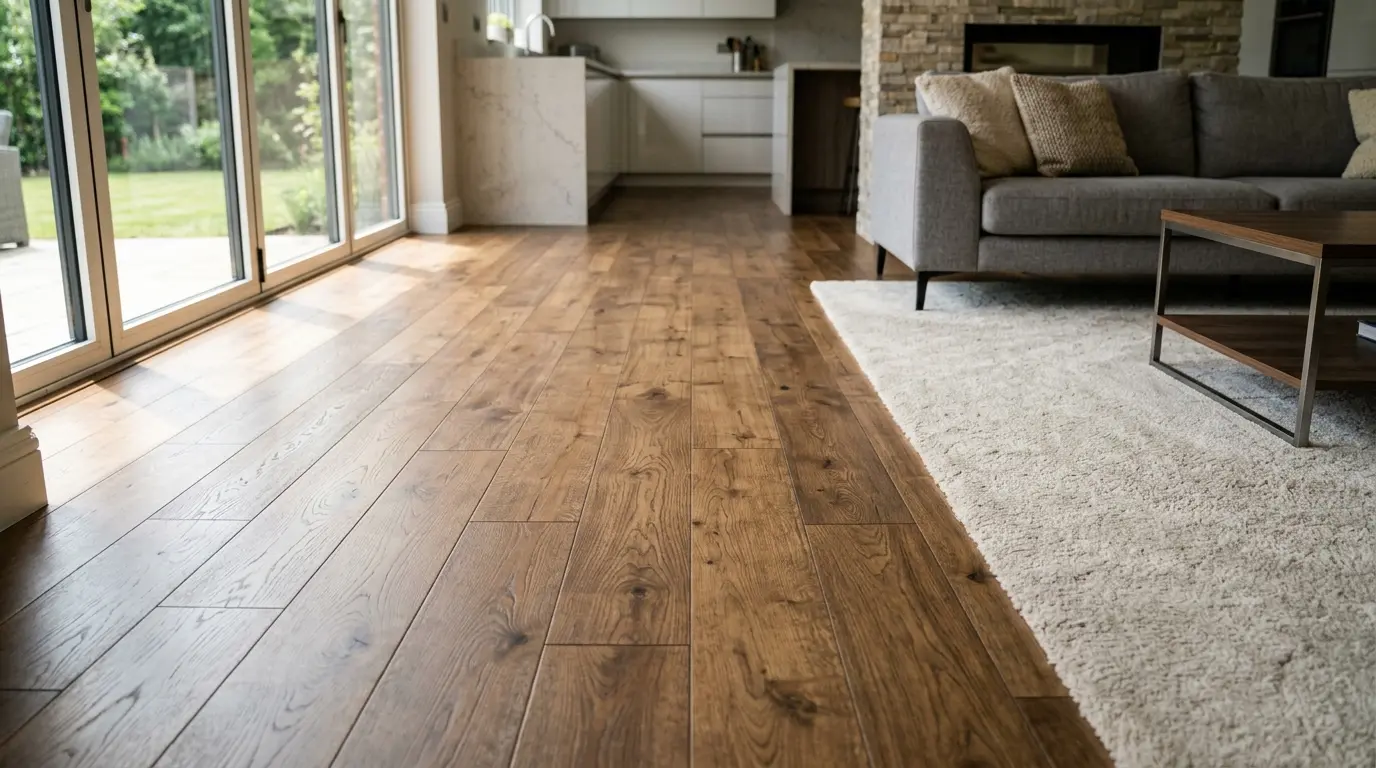
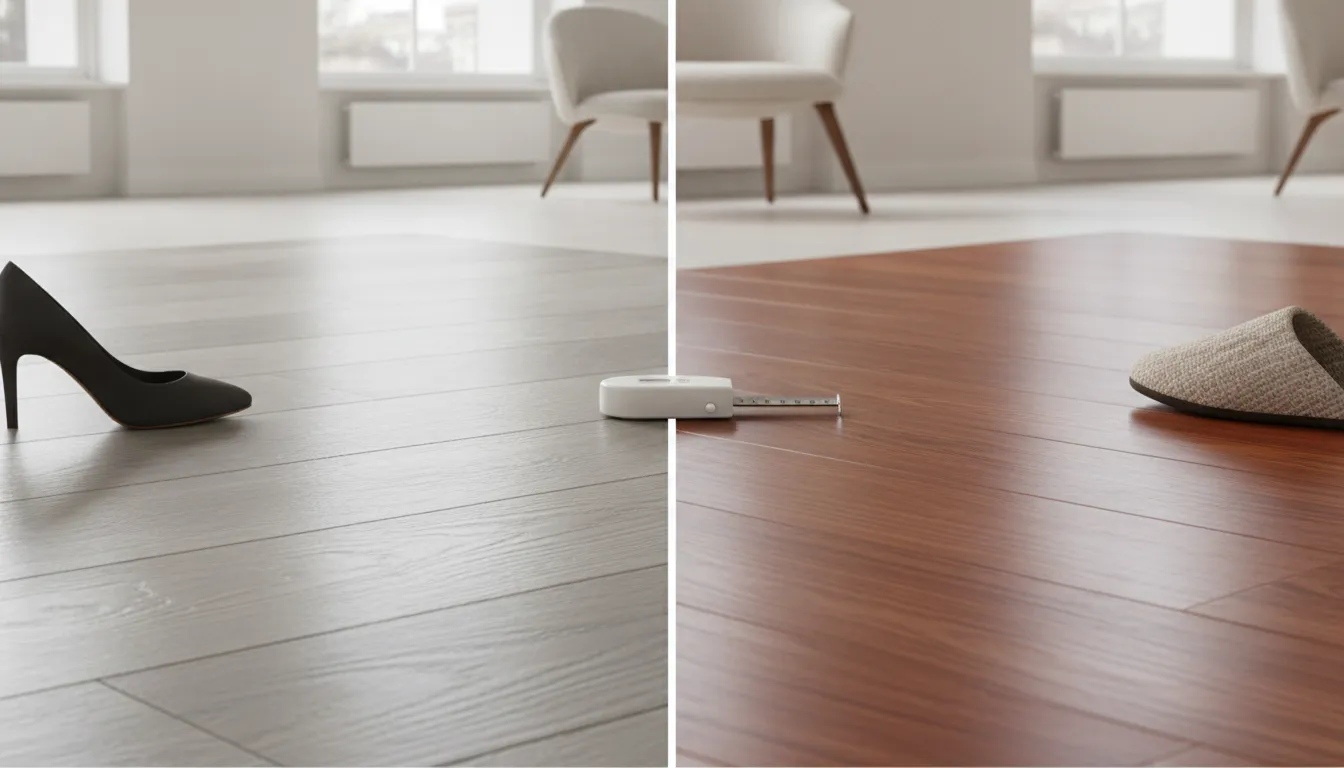
A flooring project should fit the way you actually use your home. If you are comparing vinyl plank vs laminate, start with more than appearance and price. Think about moisture from wet shoes or spills, scratches from pets, noise from foot traffic, and the amount of cleaning your household can manage. Product quality matters, but installation quality matters just as much. Uneven subfloors, poor transitions, and incorrect underlayment can create problems with either flooring type. This guide breaks down the practical differences between vinyl plank and laminate, including durability, water resistance, maintenance, cost, and the rooms where each option works best.
Key Takeaways
- Match the flooring to the room: Choose vinyl plank for areas exposed to spills or humidity, and consider laminate for dry rooms where scratch resistance and wood-look style matter most.
- Look beyond appearance and price: Compare each product’s wear layer or AC rating, water rating, warranty, maintenance needs, and approved installation method before purchasing.
- Invest in proper preparation: Have the subfloor checked for moisture, damage, and uneven areas, then request a detailed estimate covering installation, repairs, trim, transitions, and material waste.
Vinyl Plank vs. Laminate: What’s the Difference?
Vinyl plank and laminate can both recreate the appearance of hardwood without the same cost or maintenance requirements as solid wood. Both are available in many colors, plank widths, textures, and finishes. Many products also use floating, click-lock systems that make installation faster than traditional nailed or glued flooring.
The biggest differences come from the materials beneath the surface. Luxury vinyl plank, or LVP, uses a vinyl-based core and a protective wear layer. Laminate uses a wood-based, high-density fiberboard core with a decorative image layer and a hard protective overlay. These construction differences affect moisture resistance, comfort, sound, maintenance, and expected performance.
Your room, subfloor, household, and installation plan should all guide the decision. A professional installer can check for uneven areas, moisture concerns, damaged subflooring, and transition issues before the new floor goes down. ValorCraft Flooring offers subfloor preparation and flooring installation for residential and commercial properties across North Carolina.
Compare vinyl layers with laminate’s HDF core, décor layer, and protective overlay
LVP typically includes a vinyl core, a printed design layer, and a transparent wear layer. The design can imitate oak, maple, stone, slate, or other materials. Some products also include an attached pad for added cushioning and sound control. Because vinyl is synthetic, it generally handles everyday moisture better than laminate.
Laminate uses a high-density fiberboard, or HDF, core. Above it sits the décor layer, which creates the visible wood or stone pattern, followed by a protective overlay. This layered construction gives laminate a firm, solid feel, but the wood-based core can swell or warp if water reaches it.
The core material matters when choosing flooring for kitchens, entryways, laundry rooms, and homes with pets. Vinyl often suits moisture-prone areas, while laminate can perform well in dry rooms where spills are cleaned quickly. Always review the product specifications, since water ratings, edge treatments, and warranty conditions vary. America’s Floor Source explains the construction differences between the two options.
Compare wood-look designs, plank sizes, textures, finishes, warmth, and sound
Both flooring types offer wood-look and stone-look designs in a range of colors, plank widths, lengths, textures, and finishes. Laminate often has a realistic appearance because its thicker surface allows for deeper embossing. Higher-quality products may include varied grain patterns, knots, matte finishes, and beveled edges that reduce a repetitive look.
LVP is also available in convincing wood, marble, slate, and stone designs. It can work especially well in open floor plans because the same product can often continue through connected rooms with fewer transitions. Wide planks and longer boards may make a room feel more spacious, while narrower planks can create a more traditional appearance.
Laminate usually feels firmer underfoot and may sound louder without proper underlayment. Vinyl tends to feel softer and warmer, particularly over a quality pad or prepared wood subfloor. Room temperature, subfloor material, and installation quality also affect comfort. Compare samples in your home before choosing, since natural and artificial lighting can change how a color appears. The Spruce compares the design and performance characteristics of both flooring types.
Understand floating click-lock floors, glue-down vinyl, underlayment, and subfloor needs
Many LVP and laminate products use a floating click-lock installation. The planks connect to one another and rest over the subfloor without nails or adhesive. This method can simplify installation, but the subfloor still needs to be clean, dry, stable, and reasonably level. Uneven areas may lead to movement, squeaks, gaps, or separated joints.
Laminate commonly requires underlayment beneath the planks. Depending on the product, underlayment may provide cushioning, sound control, and moisture protection. Some vinyl includes an attached pad, while other products require a separate underlayment. Using an unapproved pad can interfere with the locking system and may affect the warranty.
Glue-down vinyl can be useful in commercial spaces, on stairs, in irregular layouts, or wherever a more secure installation is preferred. It requires accurate adhesive placement and a smooth, well-prepared surface. Vinyl planks can often be scored and snapped, while laminate usually requires a saw for clean cuts. ValorCraft Flooring’s installation team can assess the room and recommend an appropriate installation method.
Compare wear layers, AC ratings, thickness, warranties, and overall quality
When comparing LVP, check the wear layer, which is commonly measured in mils. A thicker wear layer can provide stronger protection against everyday traffic, scratches, and surface wear. However, wear-layer thickness does not tell the entire story. Core construction, surface finish, installation quality, and cleaning habits also affect performance.
Laminate products often carry an AC rating that indicates resistance to abrasion and general wear. Higher ratings are typically designed for busier residential or commercial environments. Plank thickness can affect stability and the way the floor feels, but a thicker product cannot correct an uneven or damaged subfloor.
Warranties offer useful guidance, but they should not be the only factor in your decision. Laminate warranties often range from 10 to 25 years, while many LVP products carry warranties of up to 20 years. Read the terms for exclusions involving moisture, pets, commercial use, installation errors, and cleaning products. Most warranties require installation and maintenance that follow the manufacturer’s instructions.
For help comparing options based on your room and traffic level, review ValorCraft Flooring’s service offerings before selecting a product.
Clear up misconceptions about waterproofing, durability, lifespan, and DIY installation
A waterproof vinyl plank is not a guarantee that the entire flooring system can withstand every leak. Water may enter through seams, edges, transitions, damaged planks, or gaps around fixtures. It can also reach the subfloor and cause separate damage. Clean spills promptly and address plumbing leaks as soon as possible.
Laminate is not automatically ruined by every small spill. Some water-resistant products can protect against surface moisture for a limited period, often 24 to 72 hours. However, that rating does not make the wood-based core waterproof. Check the product’s specific water rating rather than relying on a general label.
Both flooring types can last for years when they suit the room and receive proper care. Vinyl often performs well in moisture-prone and commercial areas, while quality laminate can offer strong scratch resistance in dry spaces. DIY installation may be practical in a small, level room, but subfloor repairs, stairs, glue-down applications, transitions, and complex layouts require more experience. Contact ValorCraft Flooring to discuss professional installation and subfloor preparation across North Carolina.
Which Handles Water Better: Vinyl Plank or Laminate?
When moisture is part of your flooring decision, vinyl plank is usually the safer choice. Luxury vinyl plank, or LVP, has a PVC core that does not absorb water like wood-based materials do. Many products are labeled waterproof, making them a practical option for kitchens, bathrooms, laundry rooms, basements, and entryways where spills, wet shoes, and humidity are common.
Laminate flooring has a different structure. Its high-density fiberboard, or HDF, core contains wood fibers that can swell, warp, peel, or separate after prolonged water exposure. Some newer laminate products have sealed edges and water-resistant coatings, but water-resistant does not mean the floor can handle standing water indefinitely. America’s Floor Source explains the material differences between laminate and luxury vinyl plank, which can help you compare products before making a decision.
Installation quality matters, too. Water can reach the subfloor through open seams, gaps around the perimeter, poorly fitted transitions, or cuts around pipes and fixtures. Before installation, check for leaks, assess the subfloor, and confirm that the surface is level, clean, and dry. ValorCraft Flooring offers subfloor preparation services for homeowners, builders, property managers, and commercial clients across North Carolina.
Compare waterproof vinyl plank with water-resistant laminate
Waterproof vinyl plank is generally the better choice for rooms where spills or moisture are expected. Its plastic core does not absorb water like laminate’s fiberboard core, and many LVP products are approved for use in kitchens, bathrooms, laundry rooms, basements, and entryways. The product still needs to be installed according to the manufacturer’s instructions, particularly around walls, fixtures, doorways, and transitions.
Laminate can work well in rooms with limited moisture, especially when you select a product with sealed edges and an appropriate water-resistance rating. However, water that sits on the surface or enters between planks can damage the core. Wipe up spills promptly, and review the product specifications instead of assuming every laminate floor offers the same protection.
Consider seams, edges, transitions, leaks, flooding, humidity, and subfloor moisture
Flooring can only manage moisture when the entire installation is prepared properly. Seams, perimeter gaps, transition strips, and cuts around pipes can create openings where water travels below the surface. A brief spill may not cause a problem, but repeated exposure or a slow plumbing leak can damage the subfloor and lead to additional repairs.
Neither flooring type is designed to solve an active leak or withstand serious flooding. High humidity and moisture rising through a concrete subfloor can also affect the installation over time. Before choosing a product, address leaks, check the subfloor’s condition, and follow the manufacturer’s moisture requirements. Professional preparation is especially important in basements, laundry rooms, and older homes.
Choose flooring for kitchens, bathrooms, laundry rooms, basements, and entryways
Vinyl plank is often a strong fit for rooms where water is part of daily life. In a kitchen, it can handle common spills and routine cleaning. In a bathroom or laundry room, waterproof LVP provides more moisture protection than a wood-based floor, as long as the seams, edges, and transitions are installed correctly.
Entryways can also benefit from vinyl plank because wet shoes, umbrellas, and tracked-in moisture are difficult to avoid. Basements require additional care, since moisture may come from the slab or foundation instead of surface spills. Have the space evaluated before selecting flooring, and make sure the subfloor meets the product requirements. ValorCraft Flooring’s flooring installation services include the preparation needed for a complete project.
Use laminate in drier rooms such as bedrooms, living rooms, dining rooms, and hallways
Laminate is usually better suited to dry spaces, including bedrooms, living rooms, dining rooms, offices, and hallways. These rooms typically have fewer spills and less direct exposure to water, allowing the wood-based core to perform as intended. Laminate also offers a wide selection of colors, textures, and plank styles that can create an attractive wood-look finish.
A quality laminate floor can handle normal foot traffic, pets, and household activity when cleaned correctly. The key is to limit moisture, wipe up spills quickly, and avoid using more water than the manufacturer allows. The Spruce’s comparison of vinyl and laminate flooring also identifies dry rooms as the better setting for laminate.
Check water ratings and warranty limits before installation
Read the water rating and warranty details before buying flooring. Look for the manufacturer’s definitions of waterproof, water-resistant, and spill protection. Check how long the product can be exposed to moisture, whether edge sealing is required, and which rooms are approved for installation. These details can vary between product lines, even within the same brand.
Pay attention to warranty exclusions as well. Coverage commonly excludes flooding, plumbing leaks, excessive subfloor moisture, improper cleaning, and installation that does not follow the manufacturer’s instructions. Ask for an estimate that separates materials, labor, subfloor preparation, trim, and transitions. Contact ValorCraft Flooring to discuss flooring options and licensed, insured installation across North Carolina.
Which Flooring Lasts Longer and Requires Less Maintenance?
Both vinyl plank and laminate can provide years of reliable service, but the better option depends on the room, the product, and the quality of installation. Pets, children, furniture, sunlight, moisture, and foot traffic all affect how a floor looks and performs over time.
A properly prepared subfloor also matters. Uneven areas can cause clicking, gaps, plank movement, and premature wear in either flooring type. Before comparing samples, consider the room’s daily demands and the manufacturer’s care instructions. A flooring professional can help you choose a product that fits your home instead of relying on appearance alone.
Compare resistance to scratches, dents, stains, impacts, pets, children, traffic, and sunlight
Laminate is often a strong choice for scratch resistance because its hard protective overlay handles claws, toys, and furniture better than many entry-level vinyl products. It also tends to resist fading in sunny rooms. However, laminate can chip at the edges, and its core may swell if moisture reaches it. The product’s wear rating is especially important in busy homes.
Vinyl plank is softer and more flexible underfoot. It resists dents and moisture well, but sharp furniture legs, pet claws, and dragged items can scratch the surface. Premium LVP with a thicker wear layer generally performs better than lower-quality products. Both floors benefit from felt pads, entryway mats, and prompt spill cleanup. For a detailed comparison of scratch resistance and daily durability, review this laminate and luxury vinyl plank comparison.
Evaluate vinyl wear layers, laminate AC ratings, thickness, and service life
A vinyl plank’s wear layer protects the printed design from scuffs and daily abrasion. Thicker wear layers are typically better suited to active households, rental properties, and commercial spaces. Total plank thickness can also affect stability, sound, and how well the floor handles minor subfloor imperfections, although it cannot replace proper preparation.
Laminate uses an AC rating to describe resistance to abrasion, impact, stains, and general wear. Higher ratings are generally intended for heavier residential or commercial use. Thickness, locking system, warranty, and room rating should be considered together rather than separately.
With proper care, laminate commonly lasts about 15 to 20 years, while quality vinyl plank can offer a similar or longer service life. Actual performance depends on traffic, installation, moisture exposure, and maintenance. ValorCraft Flooring can help you compare products and arrange professional flooring installation services across North Carolina.
Follow cleaning instructions for sweeping, damp mopping, cleaners, and steam mops
Routine care is straightforward for both flooring types. Sweep or vacuum regularly to remove grit that can scratch the surface, then clean spills promptly. Laminate should generally be cleaned with a dry or slightly damp mop. Avoid soaking it, since standing water can seep between planks and cause swelling.
LVP usually handles damp cleaning better than laminate, but it still needs sensible care. Use a cleaner approved by the manufacturer, and avoid abrasive powders, wax, and harsh chemicals. Steam mops are not automatically safe. Heat and moisture can damage the finish, loosen adhesive, or push water into seams. Check the product warranty before using one, and follow the flooring manufacturer’s instructions for the exact product installed. The floor cleaning guidance from The Spruce also explains the care differences between vinyl and laminate.
Compare comfort, warmth, footfall noise, and underlayment quality
Laminate often feels warmer and more similar to traditional wood, especially when installed over quality foam or felt underlayment. That added layer can soften each step and provide some insulation over a wood subfloor. The tradeoff is sound. Laminate may produce more footfall noise, particularly in open rooms or when people wear hard-soled shoes.
LVP is usually quieter and more forgiving underfoot, although it can feel cold or firm over concrete or ceramic tile. Some products include an attached pad, while others require separate underlayment. Adding a second layer when the manufacturer does not allow it can cause movement or interfere with the locking system.
Underlayment cannot correct a damaged or uneven subfloor. Proper subfloor preparation helps create a stable installation, a consistent appearance, and fewer noises later.
Plan for scuffs, plank movement, moisture damage, replacement planks, and care rules
No flooring is maintenance-free. Place mats at exterior doors, use felt pads under furniture, and lift heavy items instead of dragging them. Keep pet nails trimmed, and replace worn floor protectors before they expose the surface to scratches. In bright rooms, curtains or window coverings can help reduce long-term color changes from direct sunlight.
LVP planks are waterproof or highly water-resistant depending on the product, but moisture can still pass through seams, edges, gaps, and transitions to reach the subfloor. Laminate may swell or warp after prolonged exposure to standing water. Neither option is designed to withstand flooding or an unresolved leak. The manufacturer’s warranty and water-rating details should be reviewed before installation.
Save a few replacement planks when possible, since matching colors and textures may become difficult to find later. If planks begin moving, separating, or showing moisture damage, address the cause rather than covering the problem. A licensed and insured flooring crew can inspect the surface, identify subfloor concerns, and recommend the right repair or replacement approach.
How Much Does Vinyl Plank or Laminate Cost Installed?
The cost of vinyl plank or laminate flooring depends on more than the price listed on the box. Your total project cost may include flooring materials, installation labor, old-floor removal, disposal, subfloor repairs, trim, transitions, and stair work. Room size matters, but the condition and layout of the space can affect the estimate just as much.
For a realistic budget, compare complete project estimates instead of material prices alone. A professional estimate should explain what is included, from preparing the subfloor to installing the final transition pieces. It should also identify any work that could change the price, such as moisture damage, uneven areas, glued-down flooring, or custom cuts around cabinets and doorways.
Product quality plays a major role, too. Thicker planks, stronger wear layers, detailed textures, waterproof construction, and longer warranties may cost more upfront. However, the right product can provide better performance in rooms with pets, children, heavy foot traffic, or frequent cleaning. Reviewing a reliable laminate and luxury vinyl comparison can help you understand the differences before requesting quotes.
Compare material prices with professional installation costs
For a 500-square-foot project, installed vinyl plank or laminate flooring may fall within these general planning ranges:
- Good quality: About $8 to $9.50 per square foot, or approximately $4,000 to $4,750 total
- Better quality: About $9.50 to $12 per square foot, or approximately $4,750 to $6,000 total
- Best quality: About $12 to $15 or more per square foot, or approximately $6,000 to $7,500 or more total
These figures are not fixed quotes. The final price depends on product specifications, installation method, room layout, preparation needs, and local labor costs. Ask whether the estimate includes waste, since installers typically need extra material for cuts, repairs, and future replacements.
Budget for demolition, disposal, moisture testing, subfloor preparation, trim, transitions, and stairs
If existing flooring must be removed, your estimate may include demolition and disposal. Carpet, tile, glued flooring, and multiple layers require different removal methods, so labor costs can vary. Disposal fees may also depend on the amount and type of debris.
Subfloor preparation is another important cost. Your installer may need to test for moisture, level uneven areas, repair damaged sections, or replace soft spots before installation. These steps help prevent movement, squeaking, plank separation, and uneven wear.
Trim, transitions, and stairs should appear as separate line items when applicable. Baseboards may need removal and reinstallation, while doorways often require transition pieces between flooring surfaces. Stair projects may include custom treads, risers, or nosing. ValorCraft Flooring offers subfloor preparation and trim services for projects across North Carolina.
Account for room layouts, plank cuts, floating floors, glue-down installation, and repairs
Open, rectangular rooms are generally simpler to install than spaces with closets, angled walls, islands, built-ins, or multiple doorways. Detailed layouts require more measuring and plank cuts, which can increase labor and material waste. Your installer should account for that waste when determining how much flooring to order.
Installation method can affect the estimate as well. Many laminate floors and some vinyl plank products use a floating, click-lock system over an approved underlayment. Glue-down vinyl is adhered directly to the prepared subfloor and may suit certain commercial areas or rooms that need added stability. It requires careful preparation and precise adhesive application.
Repairs can increase the total if the subfloor has water damage, rot, movement, or significant unevenness. Ask whether repairs are included in the quoted price or billed separately before work begins.
Weigh upfront costs against maintenance, warranties, repairs, and long-term value
A lower purchase price does not always result in a lower long-term cost. Compare each product’s wear layer, thickness, water rating, warranty, cleaning requirements, and intended use. A more durable floor may make better financial sense in a busy hallway, rental property, or active household than a less expensive product that requires early replacement.
Laminate warranties often range from 20 years to limited lifetime coverage, while luxury vinyl plank warranties commonly last 15 to 20 years. Terms vary by manufacturer and may exclude flooding, standing water, installation over an unsuitable subfloor, or damage caused by improper maintenance. Review the warranty requirements before selecting a product.
Both flooring types usually benefit from regular sweeping or vacuuming and careful damp mopping. Avoid excess water, and confirm whether the manufacturer permits specific cleaners or steam mops. Keeping spare planks after installation can also simplify future repairs if the original product is discontinued.
Request an estimate covering materials, labor, preparation, and financing options
Ask for a written estimate that separates materials, installation labor, demolition, disposal, subfloor preparation, trim, transitions, stair work, and repairs. This makes it easier to compare proposals and identify services that may not be included in a basic per-square-foot price.
Ask about product samples, material lead times, payment schedules, and available financing options. Viewing samples in your home can help you assess color, texture, warmth, and sound under your actual lighting and room conditions. Your installer can also explain whether a floating or glue-down system is appropriate for the subfloor.
For homeowners, builders, property managers, and commercial clients across North Carolina, ValorCraft Flooring’s luxury vinyl plank installation service and laminate flooring service cover two of the options compared in this guide. A detailed estimate gives you a clearer way to compare preparation, workmanship, product quality, and total project value.
Choose the Best Flooring for Your Home
There is no single winner in the vinyl plank versus laminate debate. The right choice depends on how each room is used, how much moisture it encounters, and which features matter most to your household. A busy family room may need strong scratch resistance, while a laundry room may need better protection from spills and damp conditions.
Start by looking beyond color and price. Compare each product’s construction, warranty, maintenance requirements, installation method, and compatibility with your subfloor. Consider how the flooring will perform around pets, children, furniture, sunlight, and everyday foot traffic. A professional assessment can also identify uneven areas, moisture concerns, or trim details that could affect the final result.
Samples are worth viewing in the actual room, not just online. Lighting, cabinet colors, wall paint, and existing trim can change how a floor looks. If you are unsure which option fits your home, an experienced installer can explain the tradeoffs and help you plan for preparation, installation, and long-term care.
Choose vinyl plank for moisture resistance, easy cleaning, comfort, and flexible room use
Vinyl plank flooring is a practical choice for rooms where spills, damp shoes, or pet accidents are common. Many luxury vinyl plank products have water-resistant or waterproof construction, but the product’s specific rating, seam design, and installation instructions still matter. Properly installed transitions and a well-prepared subfloor also help protect the layers beneath the flooring.
LVP is generally easy to maintain. Regular sweeping and occasional damp mopping can handle everyday dirt, while its resilient surface may feel more comfortable underfoot than some harder flooring options. Wood-look colors, textures, and plank sizes allow vinyl to work in kitchens, entryways, bedrooms, living rooms, and other areas. Always review the manufacturer’s care instructions before using a cleaner, polish, or steam mop. Product certifications from FloorScore can also provide information about indoor air quality standards.
Choose laminate for dry rooms, scratch resistance, wood-look design, and budget priorities
Laminate can be a strong fit for dry areas where realistic wood styling and resistance to everyday scuffs are priorities. Its dense protective surface helps defend the decorative image against scratches, making it popular for living rooms, bedrooms, dining rooms, and hallways. Many products feature detailed grain patterns, beveled edges, and matte finishes that create a convincing wood-inspired appearance.
Laminate commonly uses a fiberboard core, so standing water and repeated moisture exposure can cause swelling or edge damage. A water-resistant product may handle occasional spills, but it should not automatically be treated as suitable for bathrooms, laundry rooms, or rooms with known moisture issues. Before purchasing, compare the product’s water rating, warranty, maintenance requirements, and installation instructions. A lower material price may not represent the best value if the flooring is installed in an unsuitable room or over an unprepared subfloor.
Match flooring to pets, children, traffic, sunlight, noise, humidity, and resale goals
Think about what your flooring will face every day. Pets can track in grit that scratches the surface, children can create spills and impacts, and busy entryways usually experience more wear than rarely used rooms. Laminate may appeal to households focused on scratch resistance, while vinyl plank can be a better fit when spills and moisture are the greater concern.
Sunlight, humidity, and sound also deserve attention. Direct sunlight may change some colors over time, and fluctuating humidity can affect flooring and the subfloor. Approved underlayment can influence warmth and footfall noise, but the correct product must match the flooring system. If resale matters, choose a neutral style that suits the home and prioritize quality installation. A well-installed floor often looks better than a more expensive product with gaps, uneven cuts, or loose transitions.
Compare core materials, wear layers, AC ratings, warranties, water ratings, and installation needs
The product label can reveal a great deal about expected performance. Vinyl plank typically includes a PVC-based core, a printed design layer, and a protective wear layer. The wear layer helps resist surface damage, but thickness alone does not determine quality. Review the complete product specifications, warranty terms, recommended uses, and cleaning requirements.
Laminate commonly includes a high-density fiberboard core, a decorative layer, and a protective top layer. Its AC rating, or abrasion classification, provides a useful reference for wear resistance, but it should be considered alongside thickness, construction, and warranty coverage. Check whether the product allows floating or glue-down installation, whether underlayment is required, and which subfloor conditions must be met. The National Wood Flooring Association’s resources offer helpful background on flooring preparation and installation principles.
Use samples and customer reviews to judge color, texture, noise, and daily performance
Online photos can make flooring selection difficult because screen settings change how colors appear. Request samples and view them in the actual room during daylight and under artificial lighting. Place them near cabinets, trim, furniture, and doors to see whether the undertones work together. Walking across the samples can also help you compare texture, firmness, and sound.
Customer reviews may reveal details that product descriptions leave out, such as visible seams, plank movement, cleaning challenges, or noise from an uneven subfloor. Look for reviews from people with similar room conditions instead of relying on one overall rating. Reviews are useful, but they should not replace manufacturer specifications or a professional inspection. A sample shows the finish, while an installer can help determine whether the product suits the room and subfloor.
Choose DIY or professional installation based on tools, subfloor condition, room complexity, and warranty needs
A click-lock floor may appear simple to install, but the work still requires accurate measurements, a straight layout, proper expansion gaps, and careful cuts around doorways and trim. Glue-down vinyl requires even more preparation because adhesive coverage, working time, and subfloor condition can affect the finished surface. Uneven areas may show through the flooring or cause movement after installation.
DIY installation may work for a small, simple room with a clean, level subfloor and an experienced installer. Professional help is often the better choice when a project includes demolition, moisture testing, floor repairs, stairs, multiple transitions, or detailed trim work. It can also help preserve warranty coverage when the manufacturer requires specific preparation or installation standards. ValorCraft Flooring provides subfloor preparation and flooring services for projects that require more than plank placement.
Ask ValorCraft Flooring about subfloor preparation and licensed, insured in-house installation across North Carolina
When you are comparing vinyl plank and laminate, an on-site assessment can make the decision clearer. ValorCraft Flooring can review moisture exposure, subfloor condition, room layout, trim, transitions, and intended use before recommending an installation approach. This helps you budget for necessary preparation instead of discovering unexpected repairs after the materials arrive.
ValorCraft is a veteran-owned, licensed, and insured flooring company serving homeowners, builders, property managers, and commercial clients across North Carolina. Its professional in-house crews do not rely on subcontractors, and the company provides clear estimates for the work involved. To discuss product selection, preparation, installation, and financing options, contact ValorCraft Flooring.
Related Articles
- Laminate vs. Luxury Vinyl Plank: An Honest Review
- Vinyl vs. Laminate Flooring: Major Differences, Pros & Cons
Frequently Asked Questions
Is vinyl plank or laminate better for rooms with moisture?
Vinyl plank is usually the safer option for kitchens, bathrooms, laundry rooms, basements, and entryways. Its synthetic core resists water better than laminate’s wood-based core. However, proper installation still matters because water can enter through seams, edges, transitions, or an unresolved leak.
Which flooring is more resistant to scratches and pet damage?
Laminate often provides strong scratch resistance because of its hard protective surface. Vinyl plank can also perform well, especially when it has a thicker wear layer, but sharp claws and heavy furniture may leave marks on softer products. Felt pads, entry mats, and regular cleaning can help protect either floor.
Can vinyl plank or laminate be installed over an uneven subfloor?
Neither flooring should be installed over a damaged or significantly uneven surface. Movement, gaps, squeaks, and separated joints can develop when the subfloor is not properly prepared. An installer can check for moisture, soft spots, low areas, and other concerns before the flooring is installed.
Is professional installation necessary for vinyl plank or laminate?
A simple click-lock project may suit an experienced DIY installer when the room is small and the subfloor is level. Professional installation is often a better choice for stairs, glue-down vinyl, complex layouts, subfloor repairs, trim work, and multiple transitions. It can also help meet manufacturer requirements and protect warranty coverage.
How should I choose between vinyl plank and laminate for my home?
Consider the room’s moisture level, foot traffic, pets, children, sunlight, sound, maintenance needs, and budget. Vinyl plank often works well where spills and comfort are priorities, while laminate can be a good fit for dry rooms where scratch resistance and wood-look styling matter. Request samples and compare complete installation estimates before deciding.